
The Massachusetts Humane Society
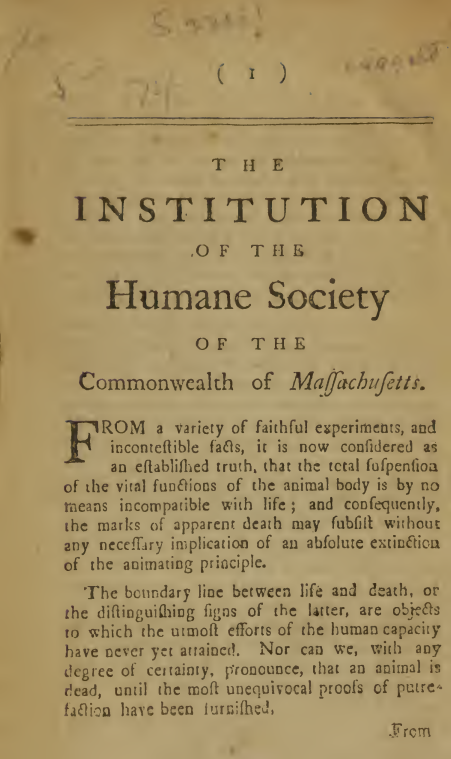
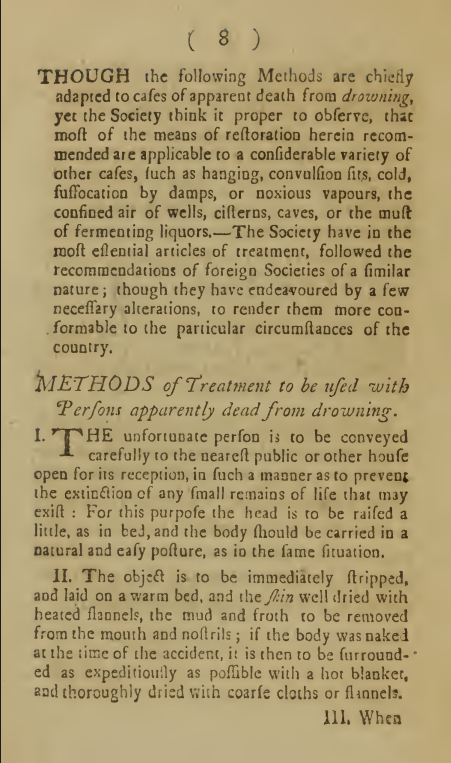
In 1786, a group of Boston citizens founded the Humane Society of the Commonwealth of Massachusetts to help prevent unnecessary deaths from shipwrecks and drowning.
Modeled after the British Royal Humane Society, the earliest mission of the Humane Society was finding new techniques to aid drowning victims: methods of resuscitation, aiding in the recovery from frostbite or exposure.
This quickly expanded to other strategies to save lives. In 1787, the Society constructed the first huts along the beaches stocked with firewood, dry clothes and other provisions for shipwreck victims. If a victim could reach shore, they could shelter in one of these huts and recooperate.
Although the Humane Society’s volunteers saved countless lives, the organization faced challenges. Vandals would raid huts and steal donated clothing, food, and firewood.
Similar lifesaving efforts set up by another volunteer organization in New Jersey faced the same problems. Other parts of the country had few or no lifesaving organizations at all.
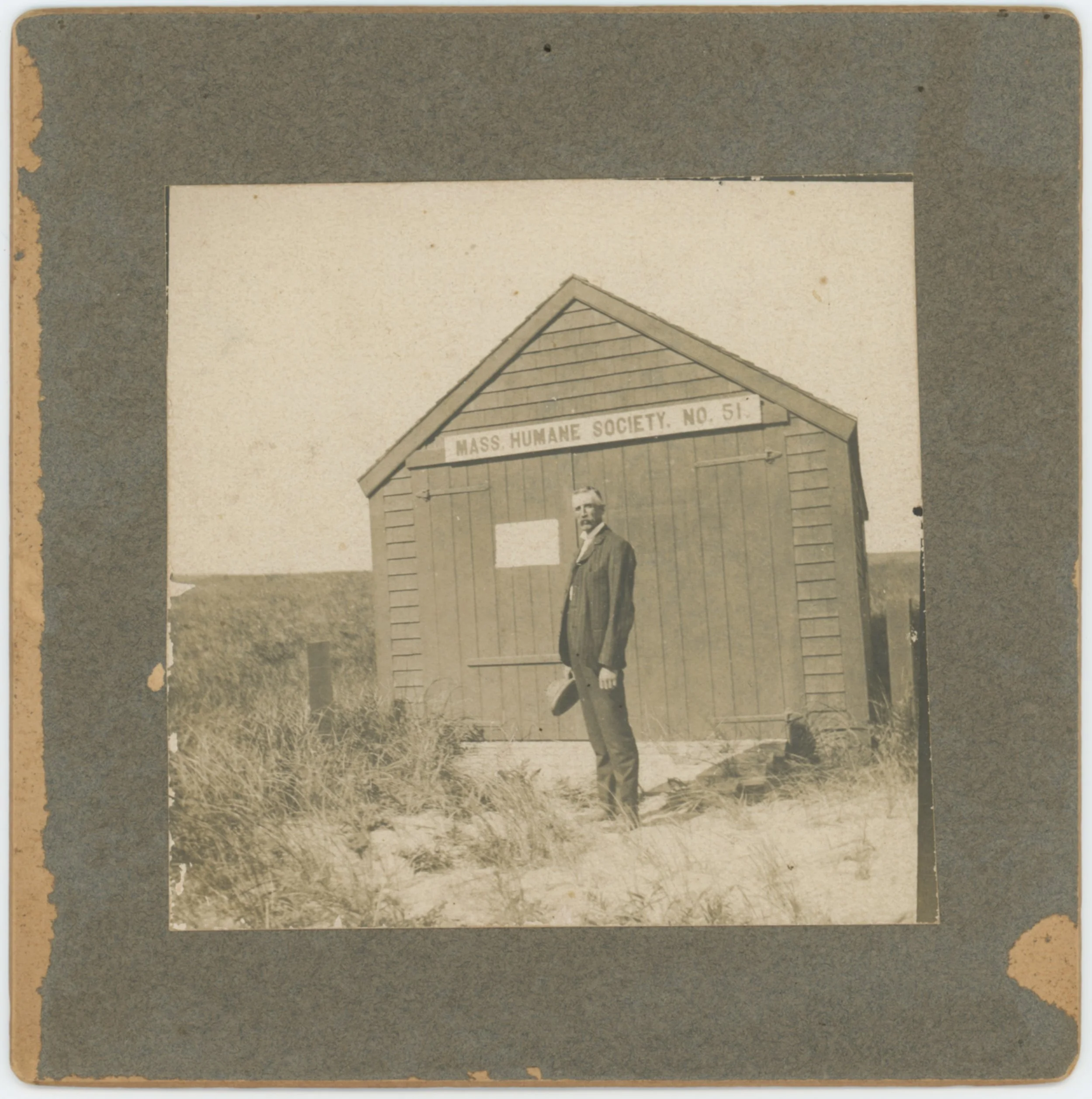
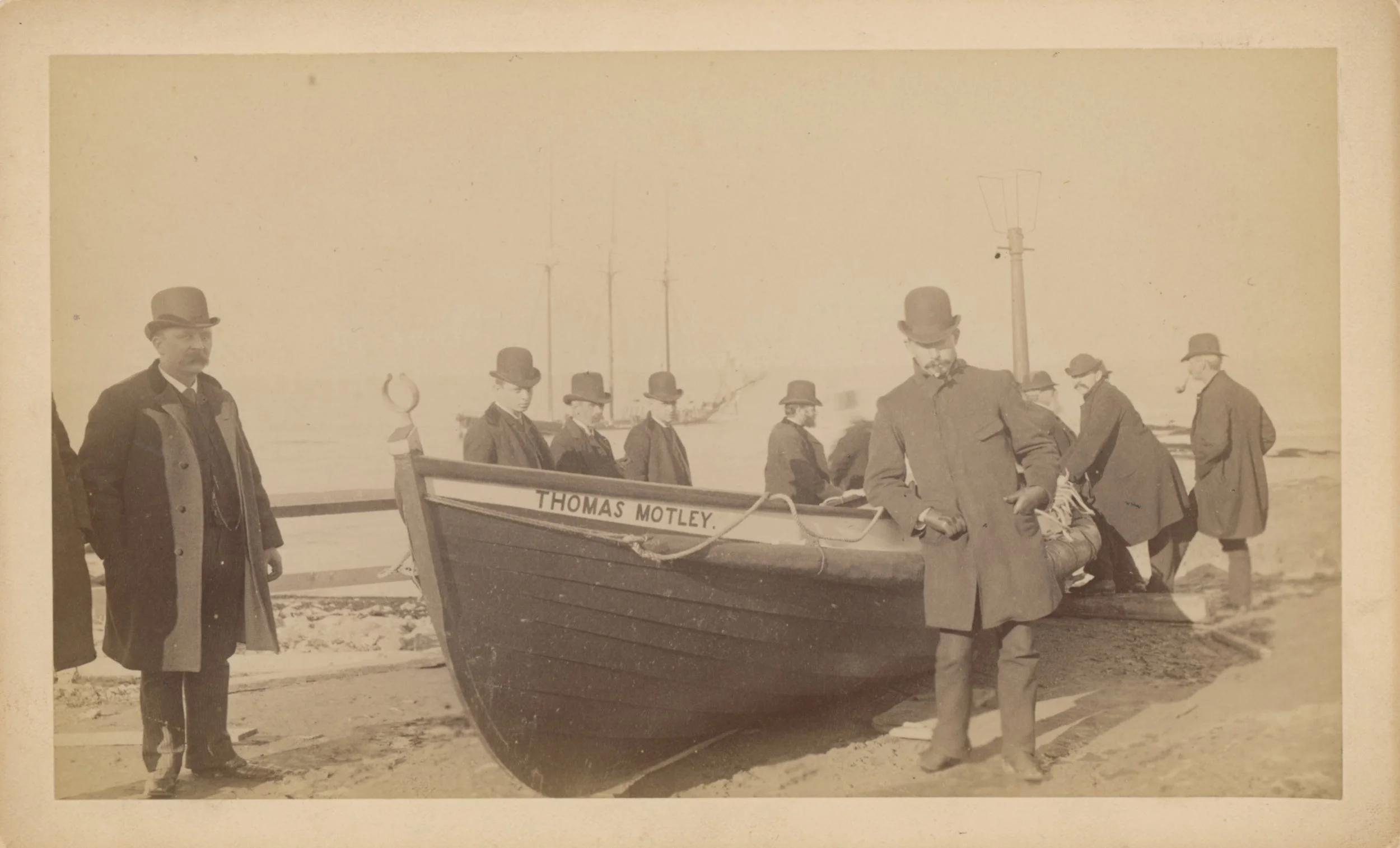
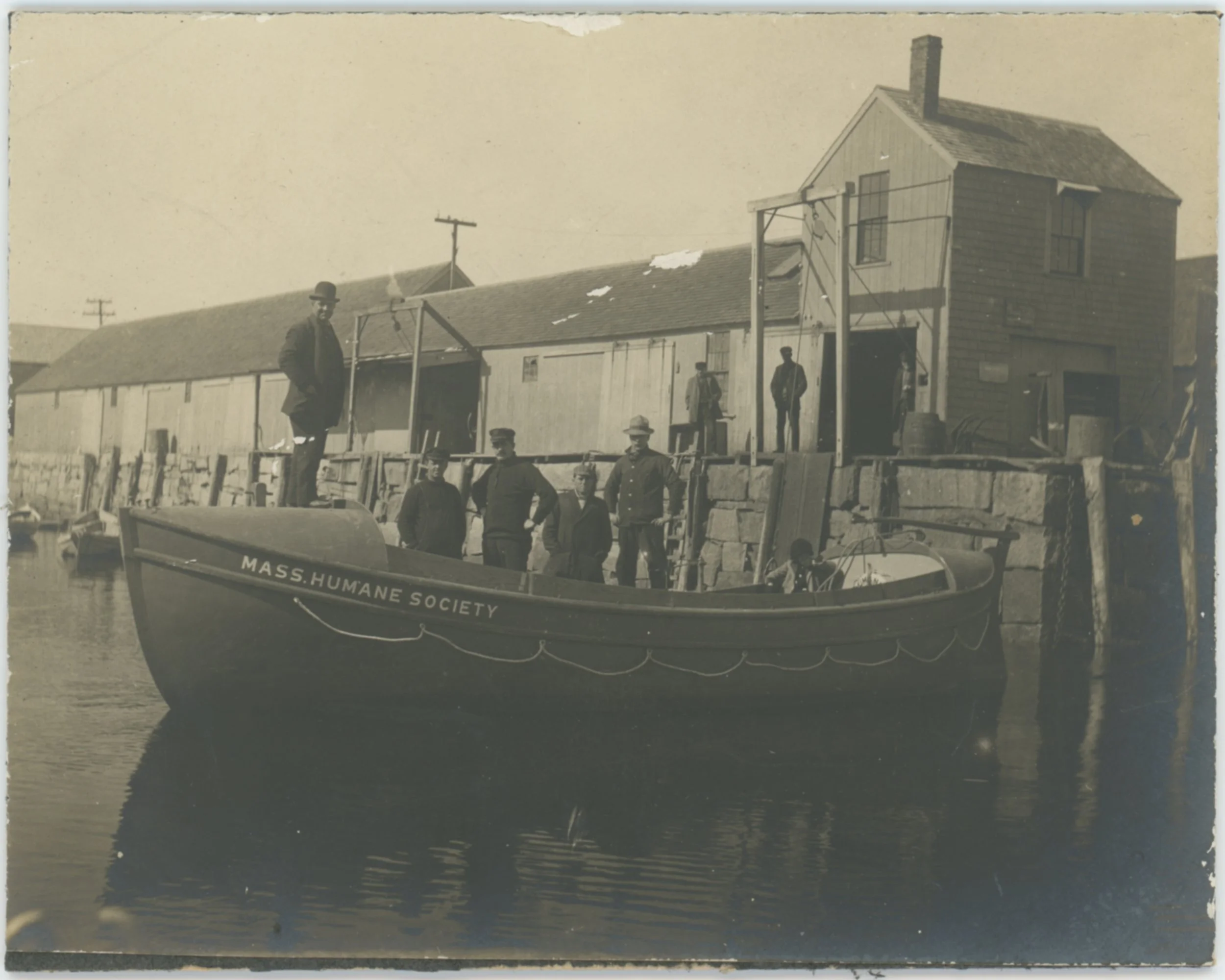
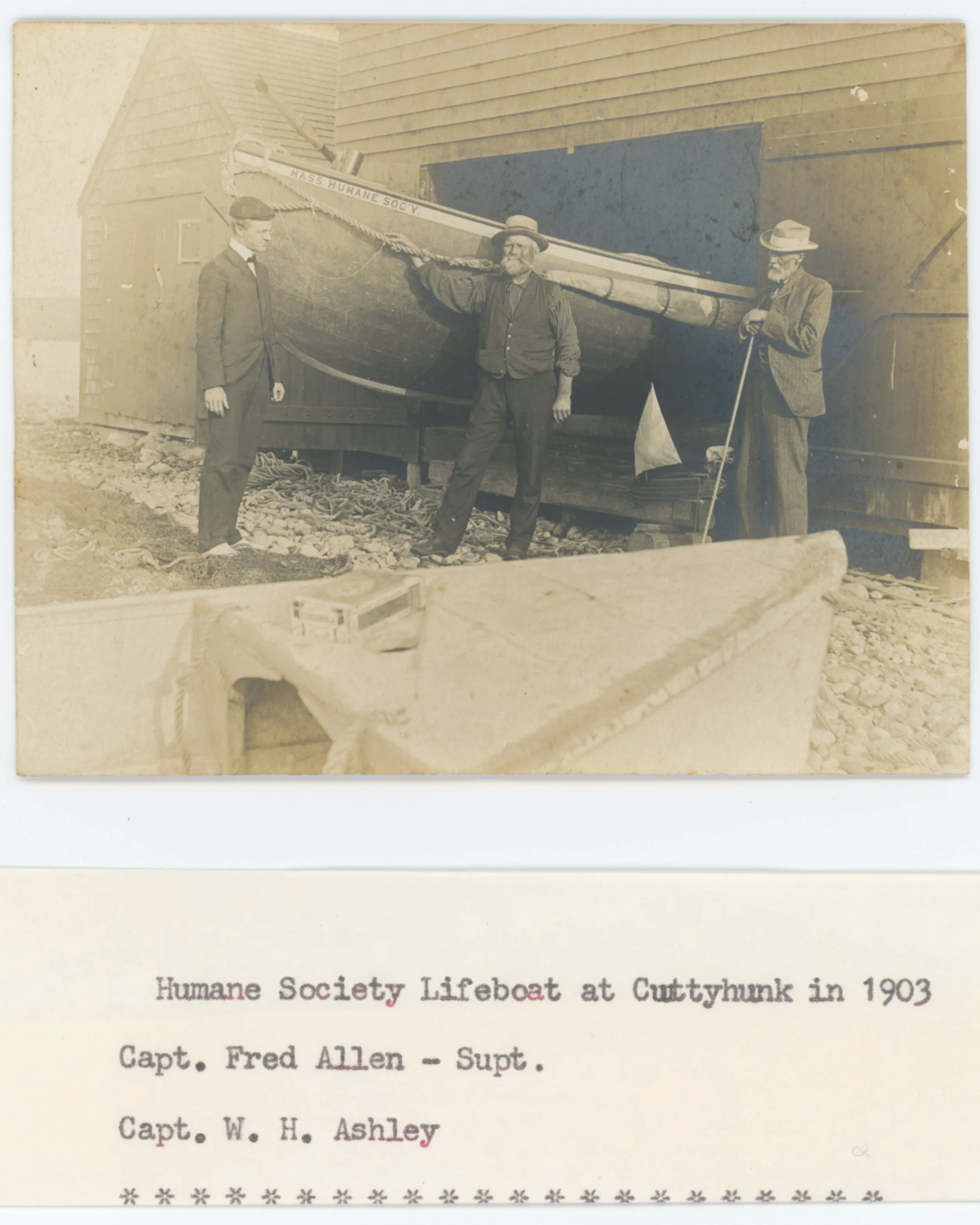
In 1807, the Society raised funds for the first lifeboat constructed in America, to be placed in a station at Cohasset, MA. They funded several stations stocked with equipment, but relied on volunteer crews to gather and make use of the equipment when a ship was wrecking. In order to gather the crew, the stations were placed near busy ports, leaving large stretches of coastline unprotected.
Volunteers were not always available in time to rescue shipwreck victims. Even after hiring full-time keepers, assembling a volunteer crew to help in emergencies often proved difficult.
When the United States Life-Saving Service was established in 1871, they established life-saving stations with boats, equipments, and (most importantly) paid crews.
"It is frankly acknowledged that the United States Life-Saving Service was created to undertake for all the States merely what the Humane Society, with its far more limited resources, had been doing for Massachusetts.”
The Humane Society of the Commonwealth of Massachusetts: an historical review, 1785-1916 / by M.A. DeWolfe Howe. pg 244.
The Massachusetts Humane Society also fundraised for the building and improvement of hospitals. Boston Medical Dispensary, which provided medical care to the poor of the city, was established in 1796 from a grant created by the trustees of the Society. Today it is now Tufts Medical Center. In 1818, the Society trustees created another challenge grant to help kickstart the funding for what would become Massachusetts General and McLean Hospitals. Fourteen years later they again provided financial support to establish the Boston Lying-In Hospital for Women, which today is called Brigham and Women's Hospital.
The Massachusetts Humane Society exists to this day, supporting efforts to prevent accidents, injuries, and death, primarily on the waters. Read about their work here
The United States Life Saving Service
A Brief History
Until 1871, there was no federal life-saving service. Ships wrecking was a Treasury concern (as there was no Commerce or Labor departments yet), as it affected trade and pricing of goods, but the rescue of human lives from those wrecks was seen as a human problem– one which the locals near the visible wrecks were responsible for as fellow humans. Every time the government had dipped further into helping create what would become the United States Life-Saving Service, it was because of major maritime disasters or acts of law regarding other Treasury departments.
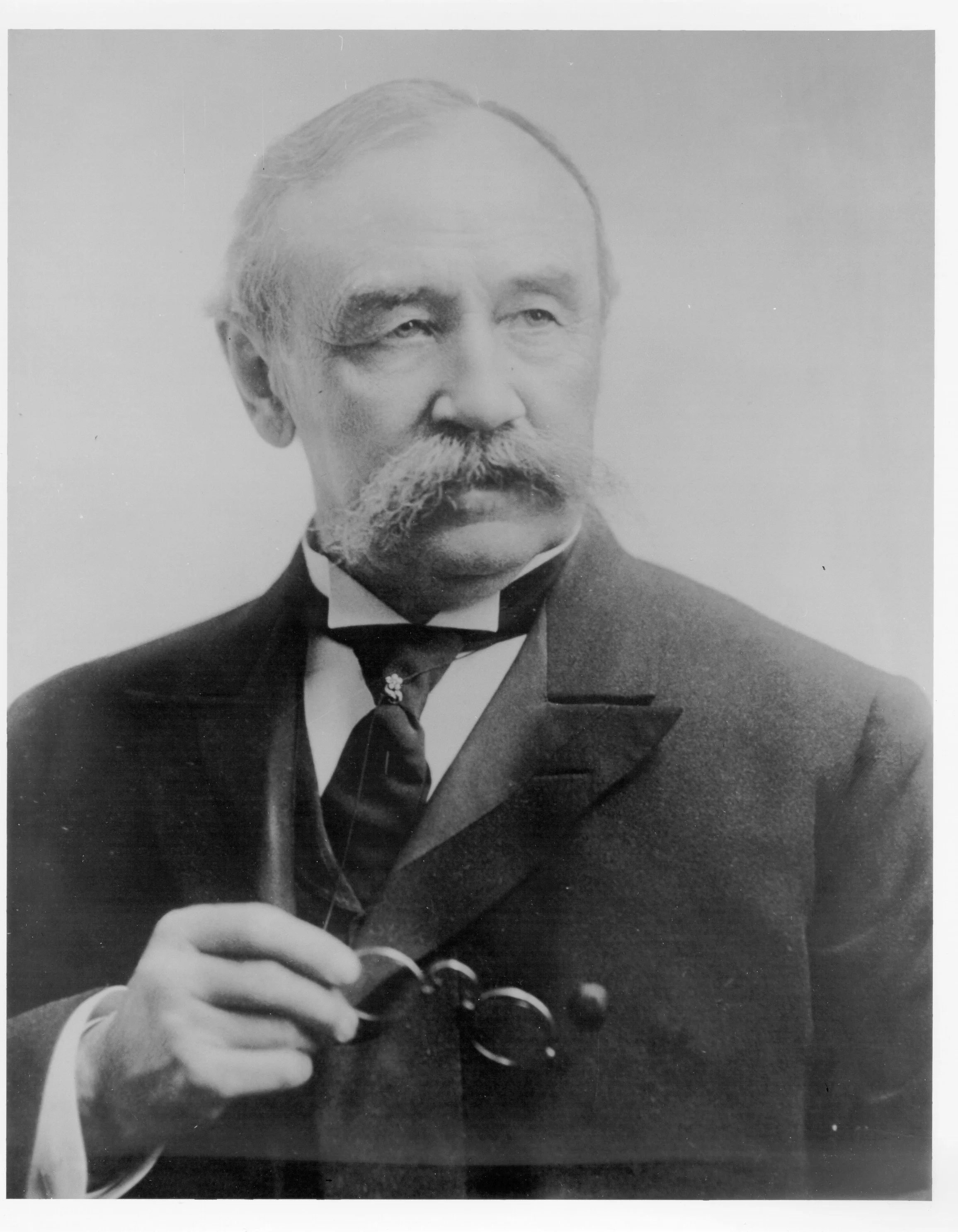
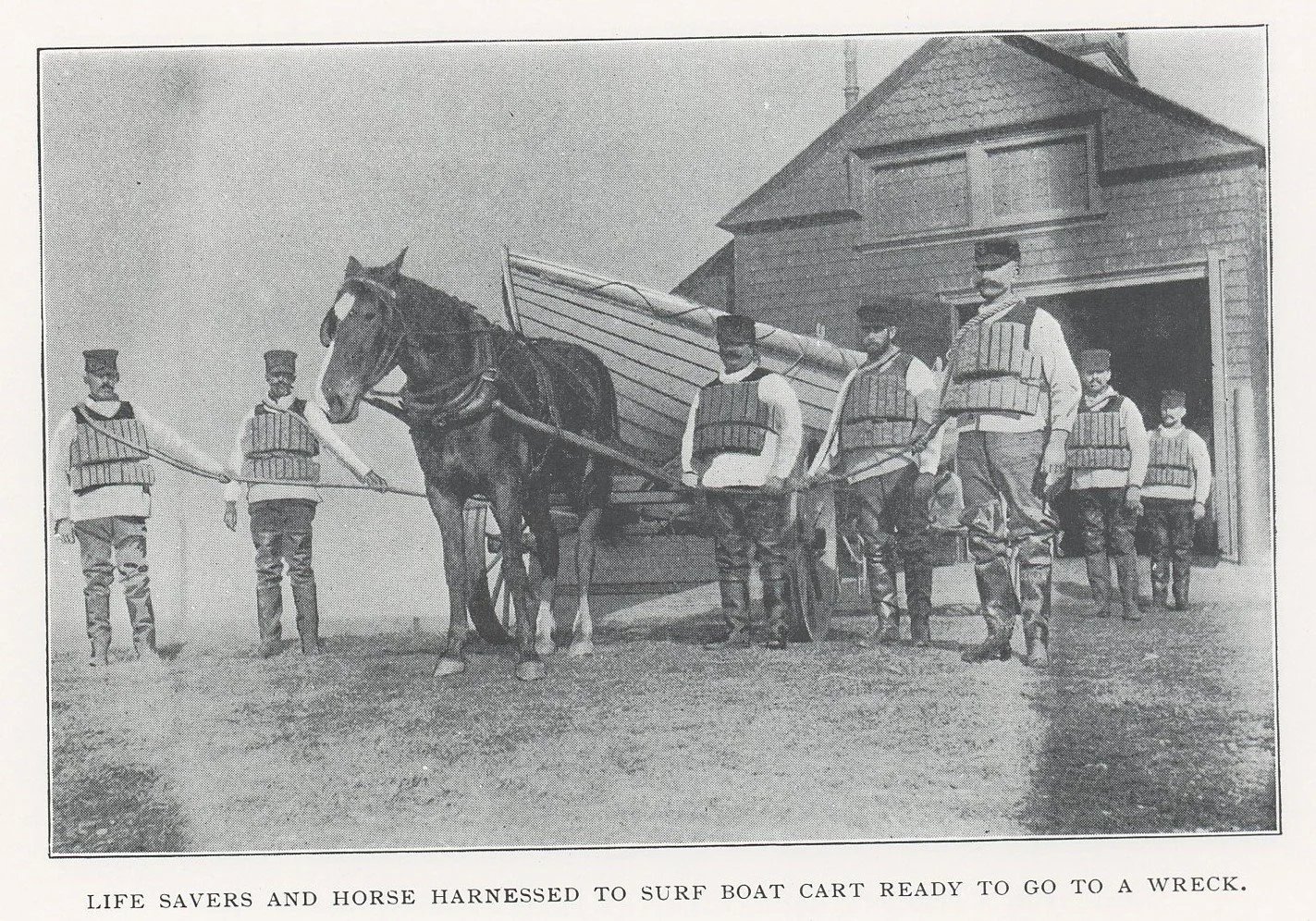
In 1871, Sumner Increase Kimball, the newly appointed chief of the Treasury Department's Revenue Marine Division, convinced Congress to put $200,000 towards the operation of lifesaving stations and employ full-time crews. For seven years, he organized the building of new stations and created regulations for crew members to follow. Finally, in 1878, lifesaving stations around the country were united as the U.S. Life-Saving Service.
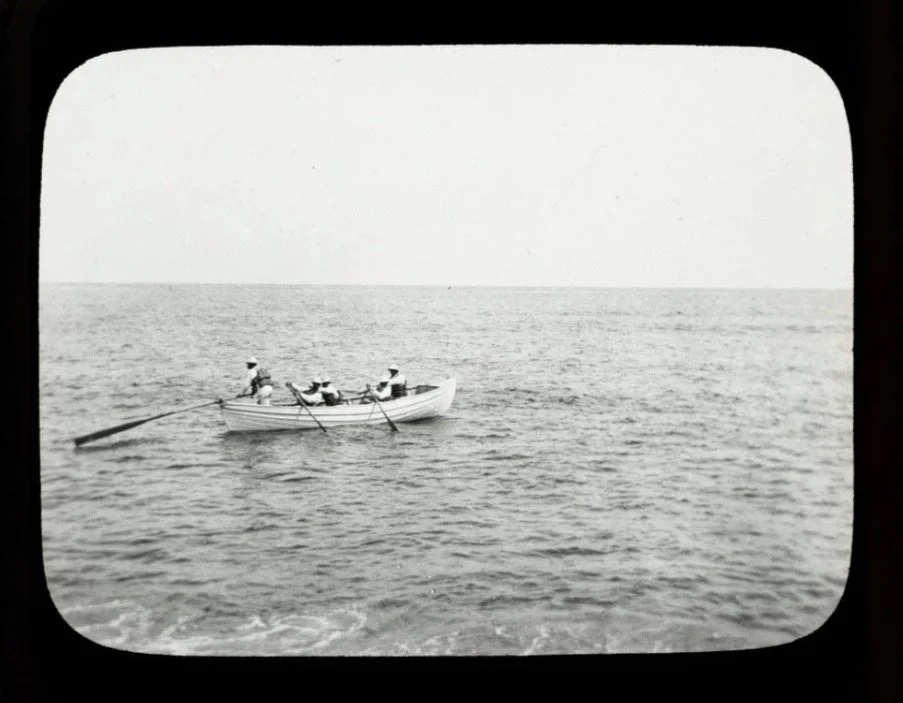
The U.S. Life-Saving Service (USLSS) became responsible for the rescue of all shipwreck victims. The organization’s structure remained like that of the Humane Society: stations were organized as lifesaving, lifeboat/surfboat, and houses of refuge. In the early years of the organization, stations on the East Coast were only manned when shipwrecks were most likely: the “active season” ran from September to May. By 1900, crews manned stations year round.
The new service hired many former Humane Society volunteers to act as keepers and surfmen at Massachusetts stations. Their expertise helped train newcomers and saved lives.
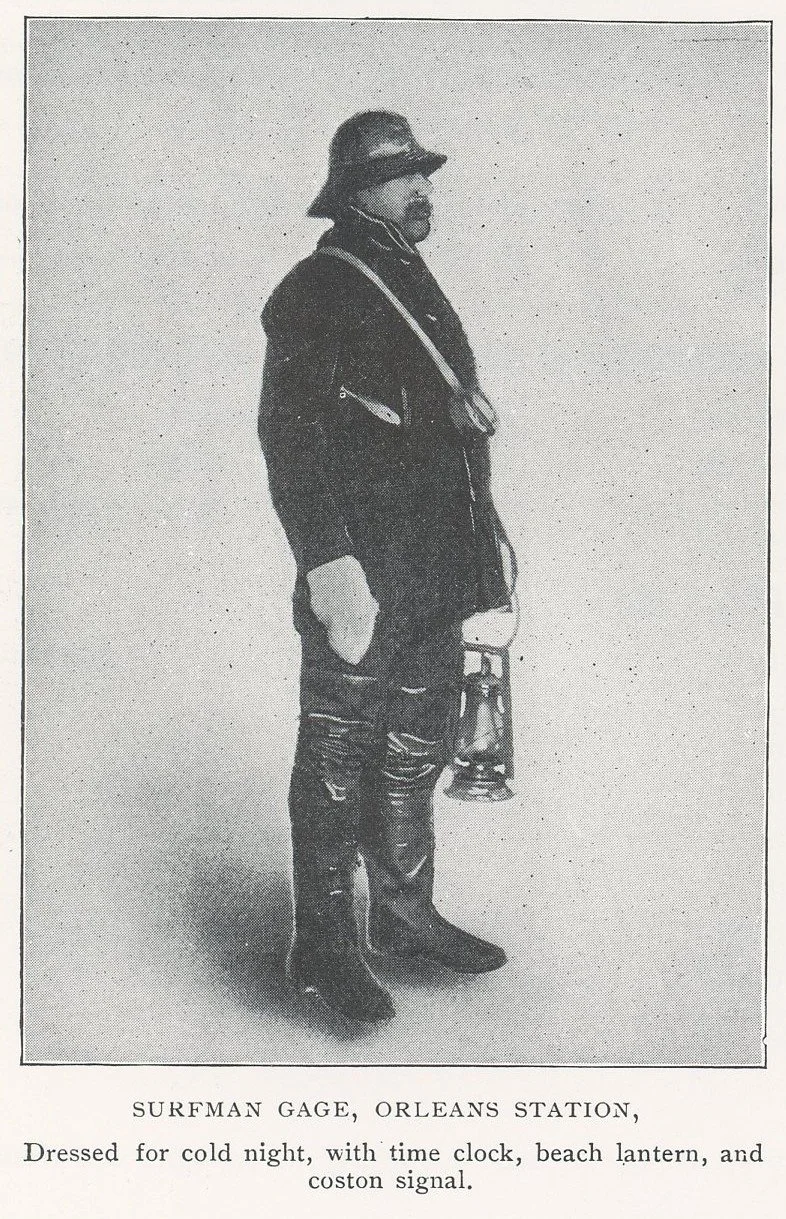
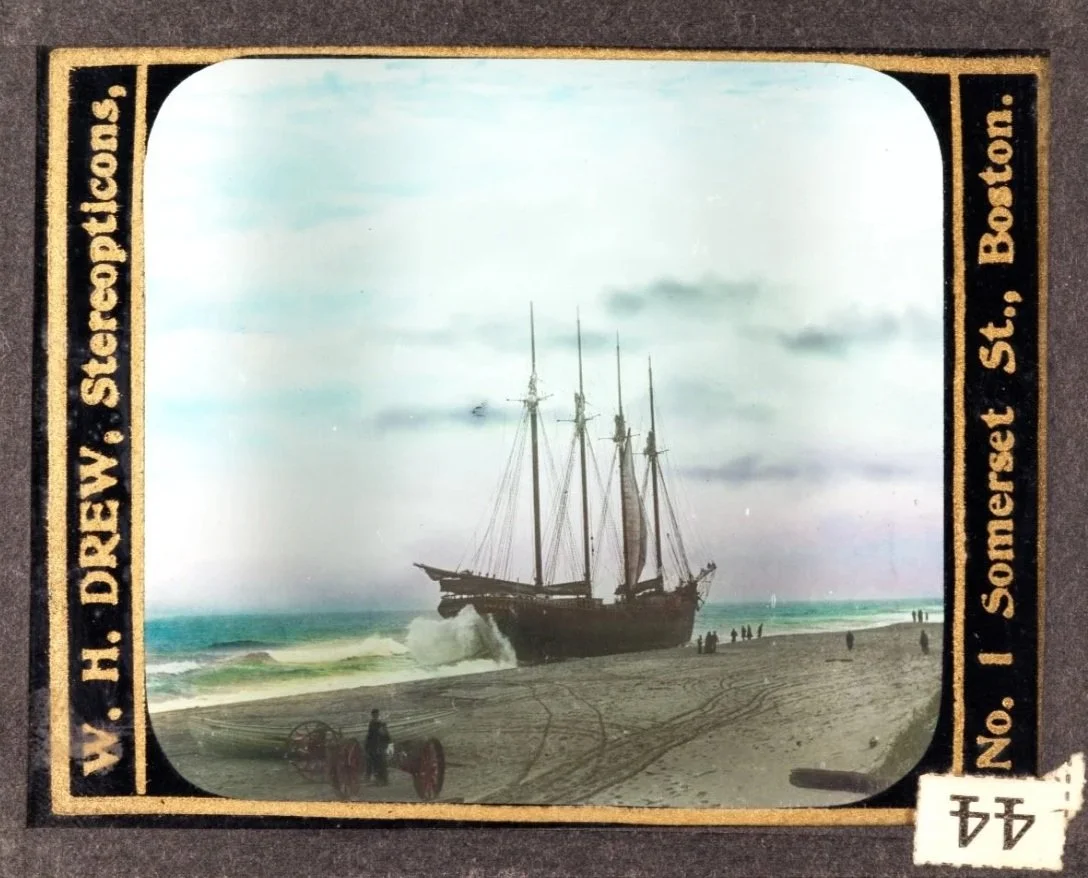
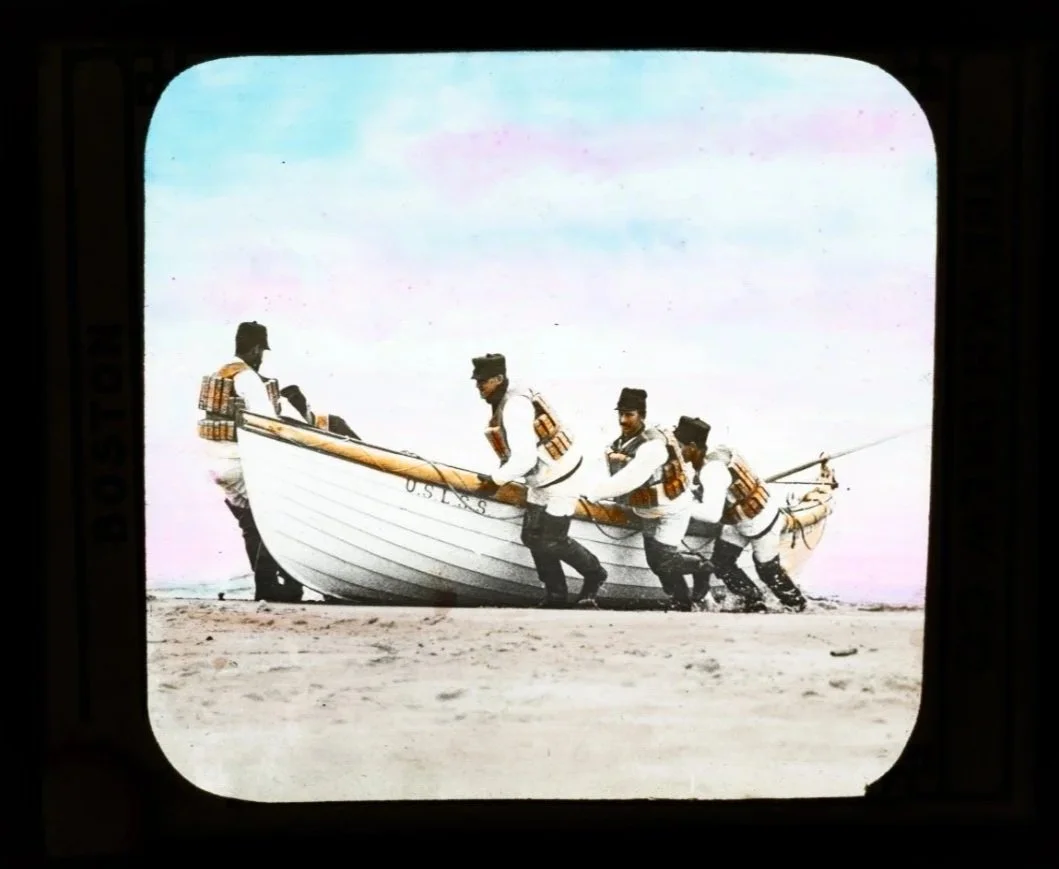
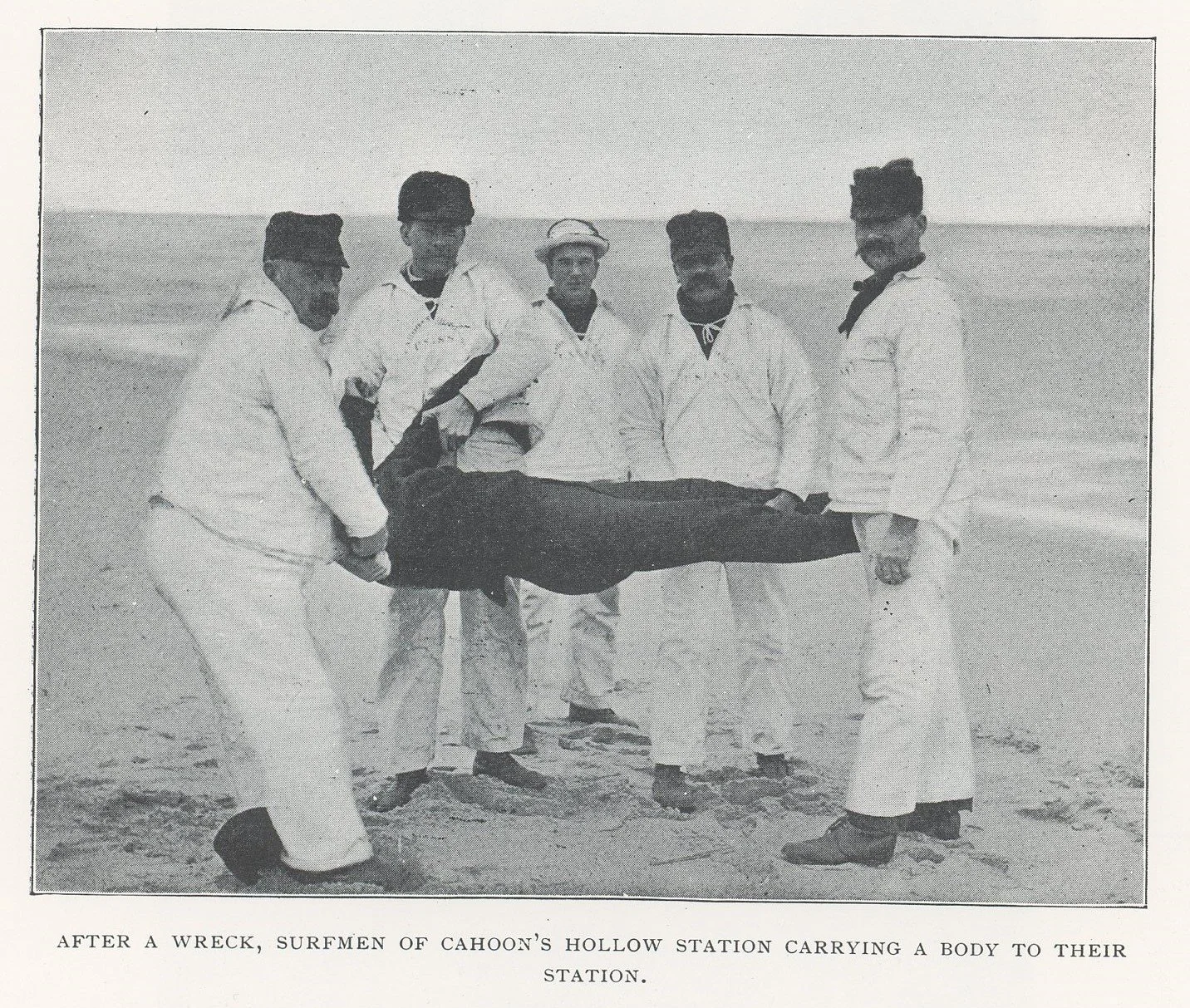
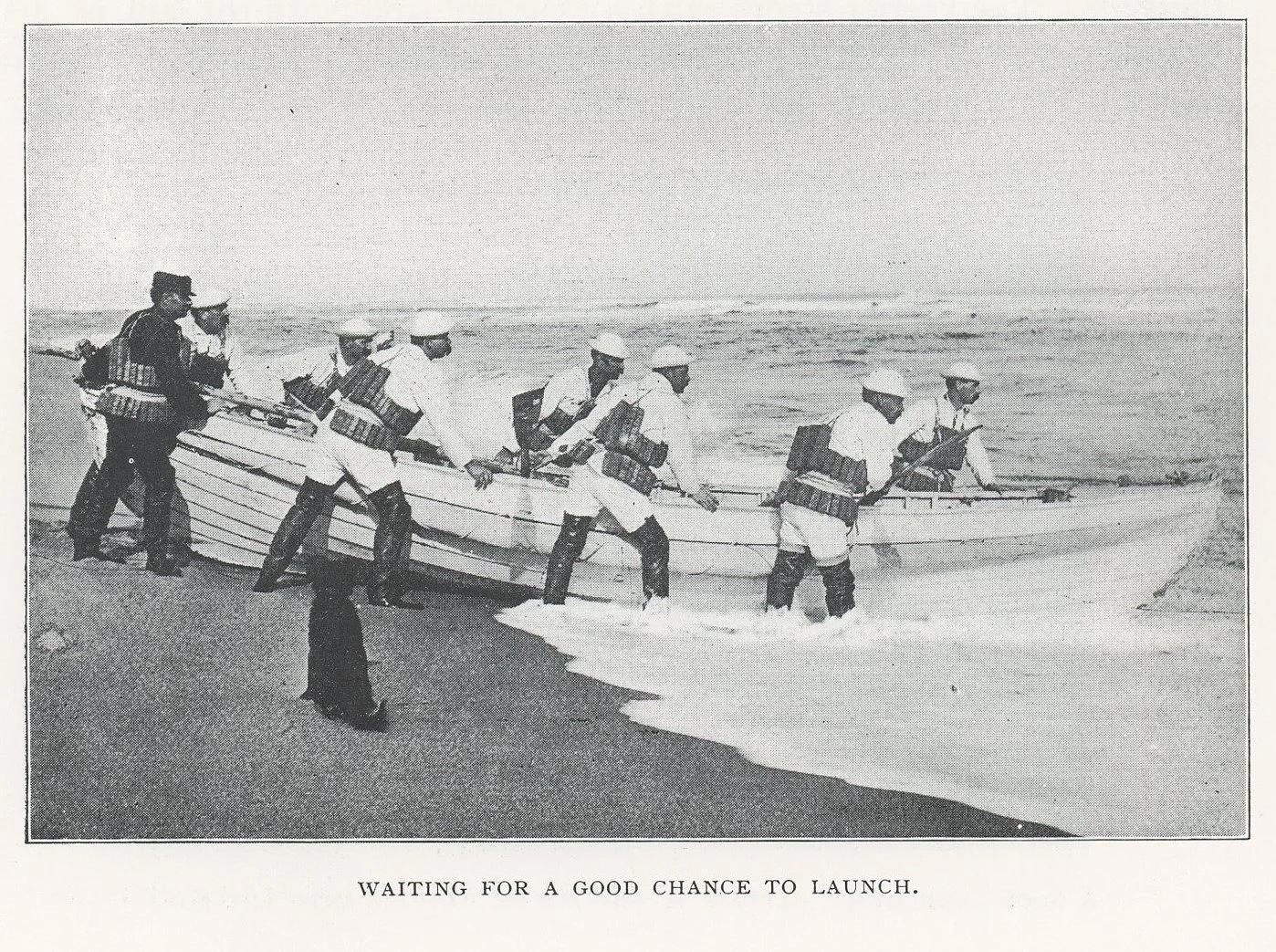
The Revenue Marine Division of the Treasury Department also oversaw the Revenue Cutter Service (later the Revenue Marine Service). Revenue-Marine officers were sent to lead the construction or repair of existing stations. They bought new equipment, drilled new crews, and helped establish the practices like patrols and signaling that would come to define Life-Saving Service activities for decades to come.
In 1915, the U.S. Life-Saving Service merged with the Revenue Cutter Service to form the U.S. Coast Guard. By that time, there were more than 270 lifesaving stations in the country.
The legacy of the USLSS and the lifesavers of the Humane Society is carried on today by members of the Coast Guard.
For further reading on the USLSS
Noble, Dennis L. (1994). That Others Might Live: The U.S. Life-Saving Service, 1878-1915. United States Naval Institute.
Dalton, J. W. (1902). The Lifesavers of Cape Cod.
Means, Dennis R. (1887) A Heavy Sea Running. The Formation of the U.S. Life-Saving Service, 1846–1878. Prologue Magazine. Winter 1987, Vol. 19, No. 4.
Stackpole. Edouard A. (1972). Life Saving Nantucket. Nantucket Life Saving Museum.
Farson, Robert F. (2000). Twelve Men Down: Massachusetts Sea Rescues. Cape Cod Historical Publications.
Evans, Capt. Stephen H. USCG. (1949). The United States Coast Guard 1790-1915: A Definitive History. United States Naval Institute.
And stop in to the Museum soon to see our Award-Winning Restoration of a 1944 Coast Guard Surfboat!