How about a tour?
Click an option below to jump to the section of this page
Up in the tower
The work of Lightkeepering, and the changing technology
Light the Lamps
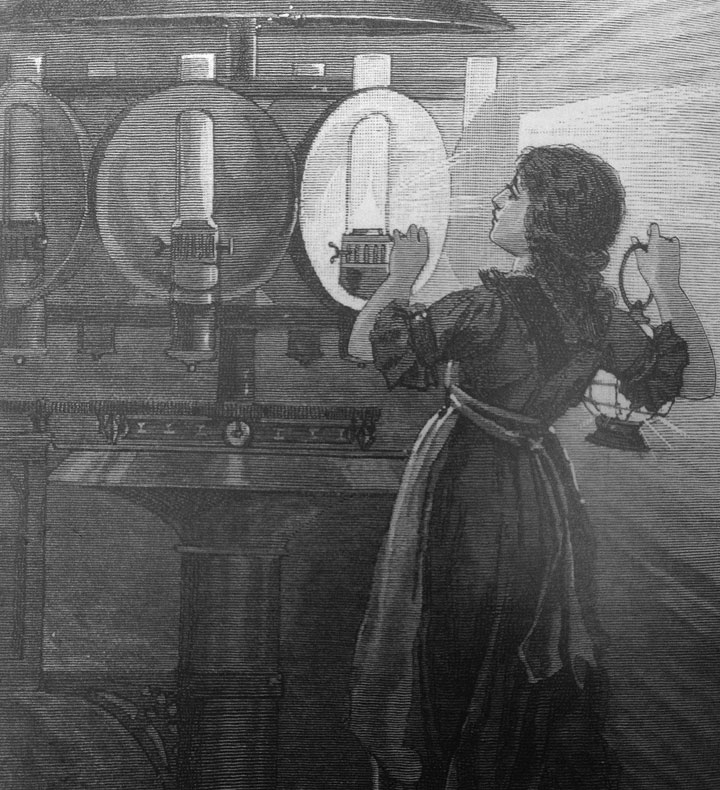
By 1811, a former sea captain named Winslow Lewis had designed a style of Argand lamp (oil & wick burning lamp) that could be used with parabolic reflectors (mirror bowls) and a glass lens. He installed this system at the critical Boston Light lighthouse on Little Brewster Island.
His lamp’s light could be seen from much farther out, and they burned much less whale oil per week than the previous lamps. Each day, keepers needed to ensure there was enough oil and wicks for the lamps to burn. Chimneys for the smoke/soot needed to be changed to stay clean and efficient. Much of this system was also made of brass or other metal that needed to be polished and cleaned.
Lewis’s system became one of the leading lamp styles for Lighthouses in the United States. Most had anywhere from 6 to 20 reflectors and lamps facing out to sea.
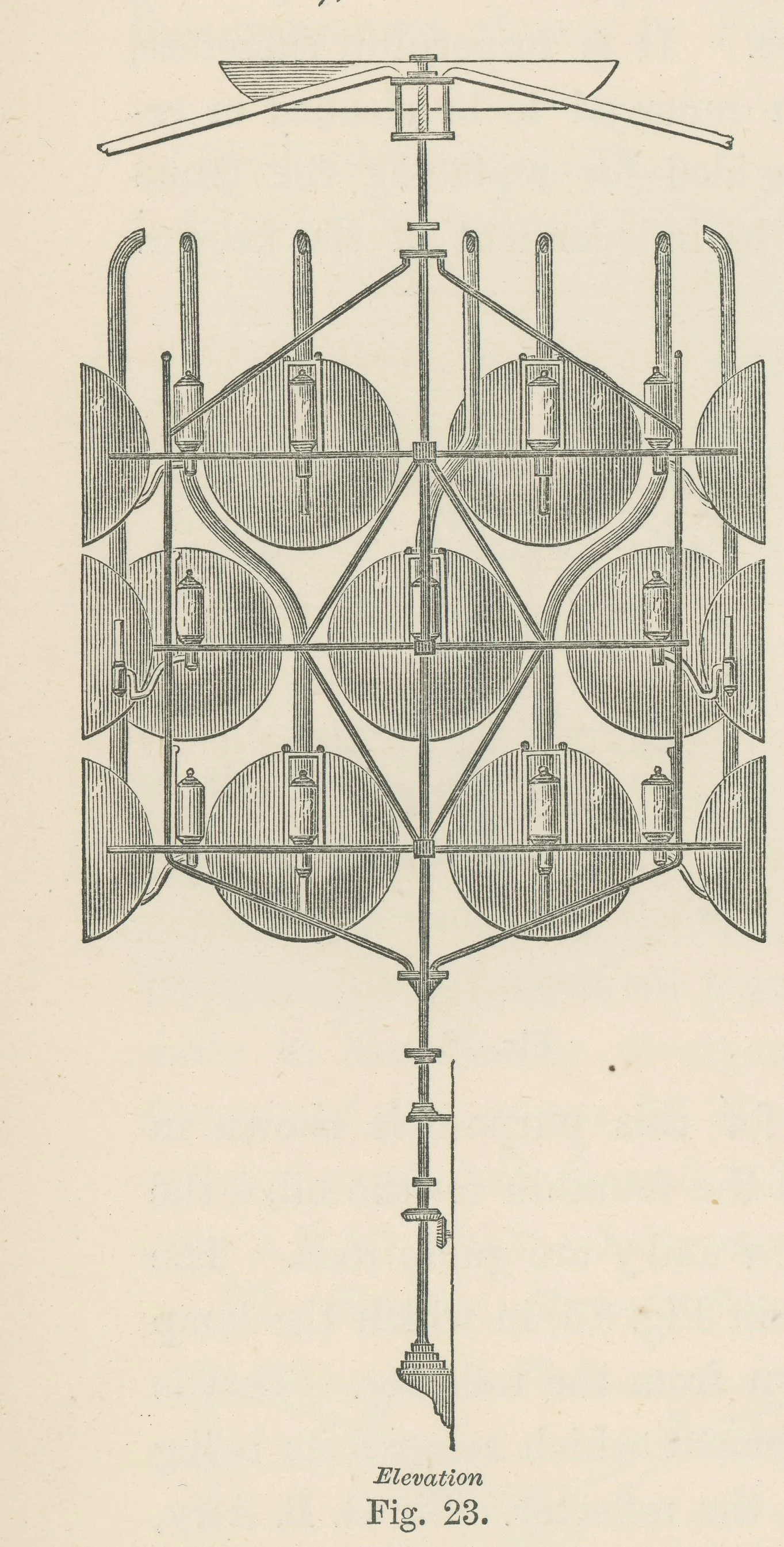
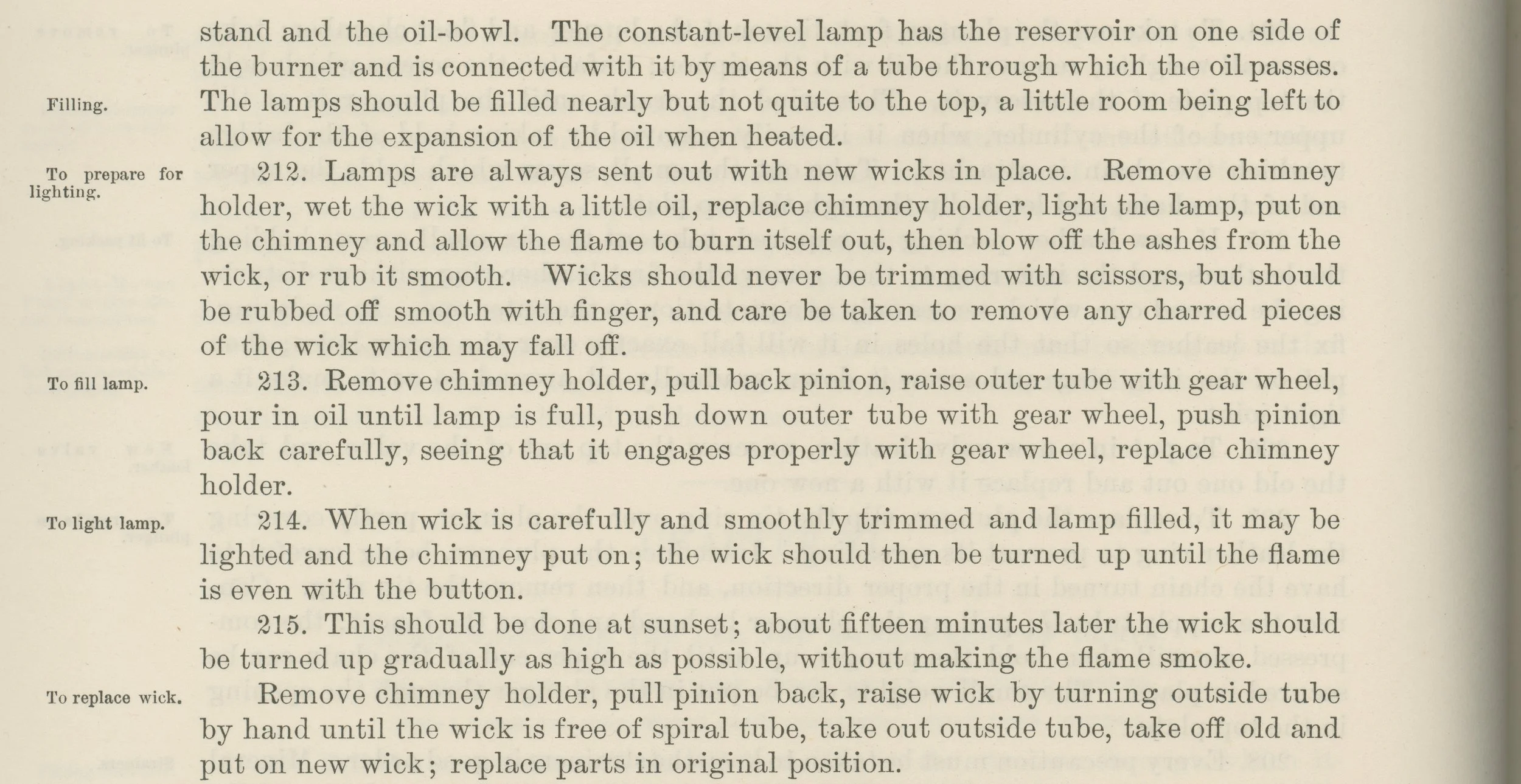
Lighthouses on Cape and Islands which had reflectors and lamps:
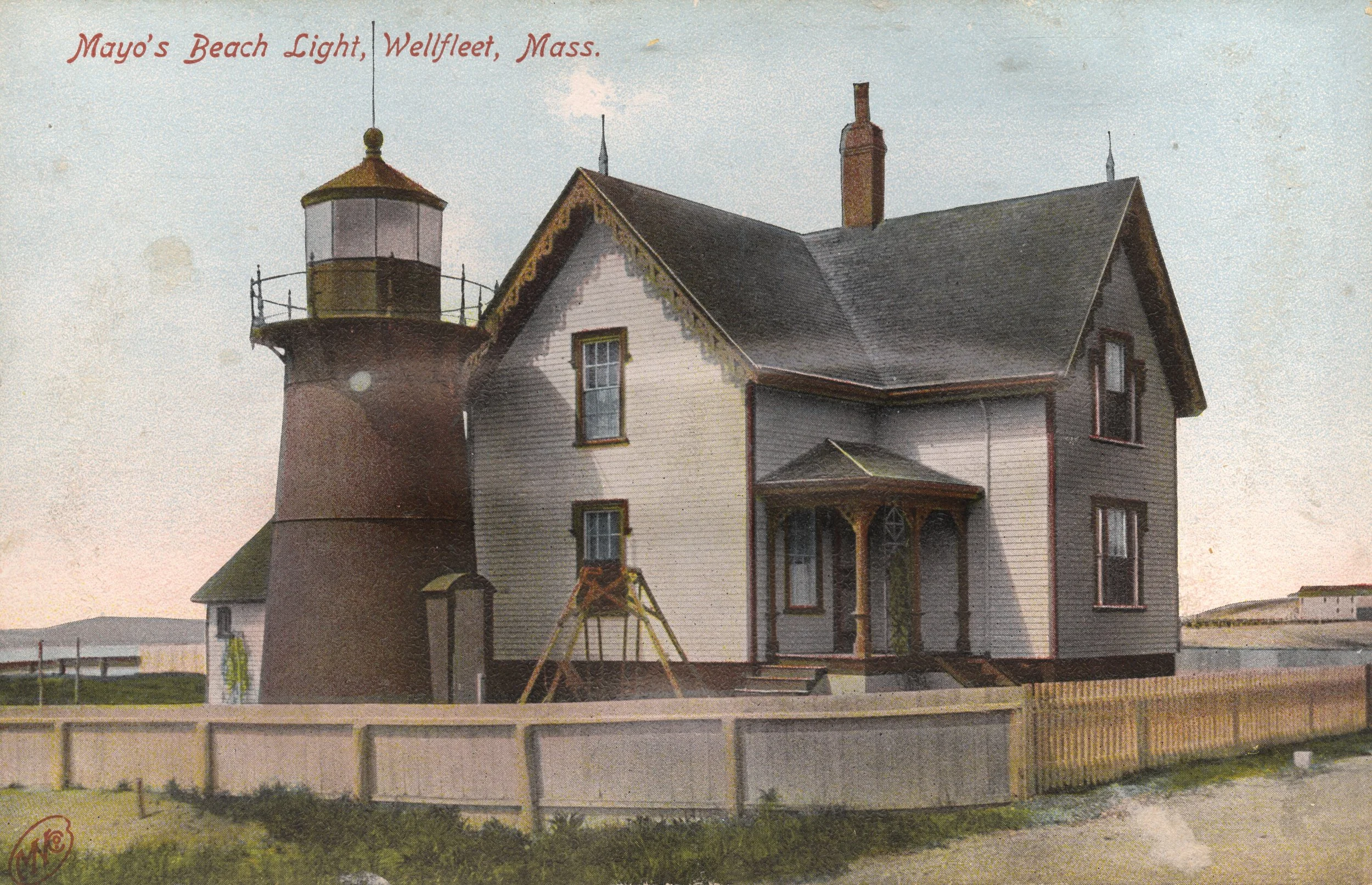
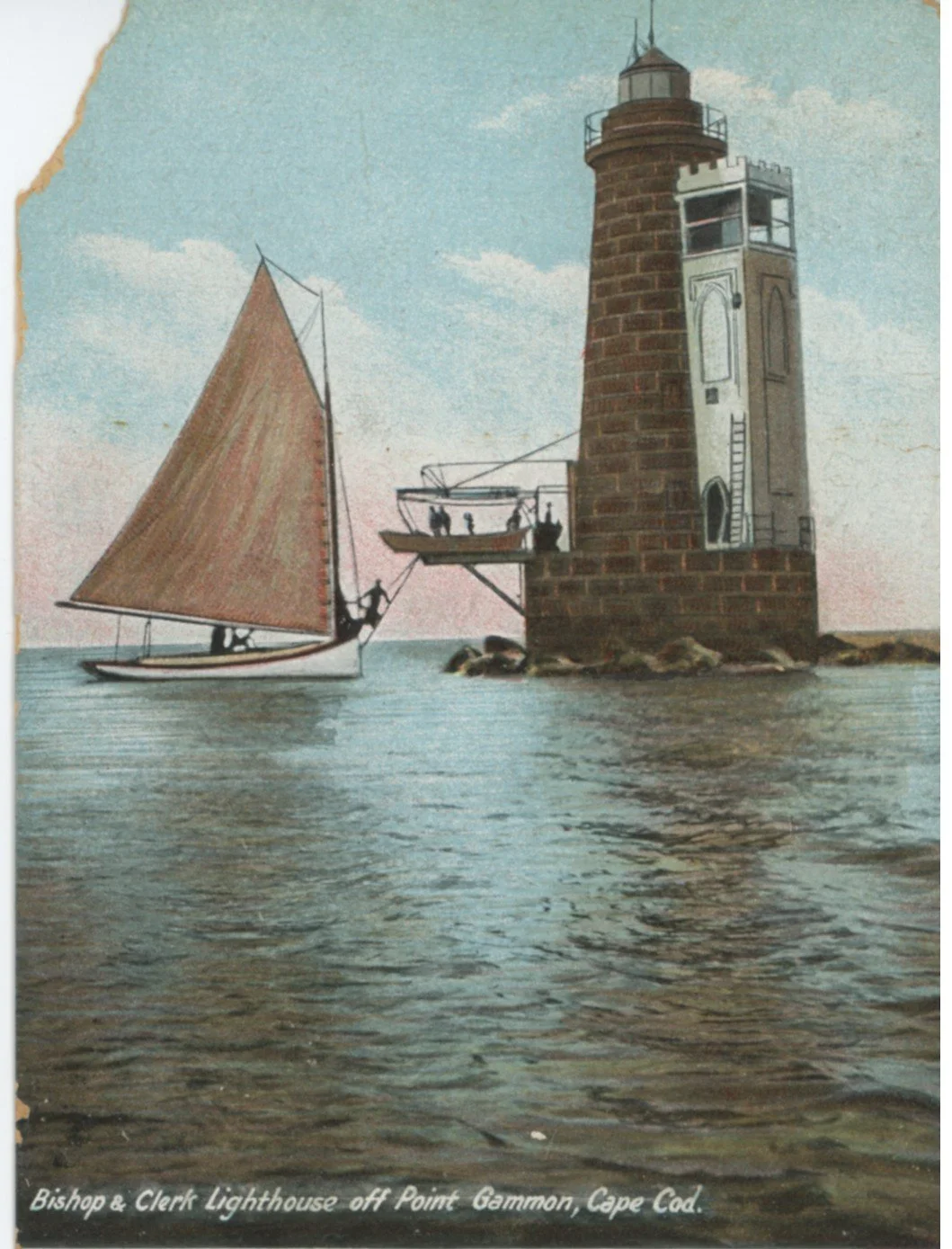
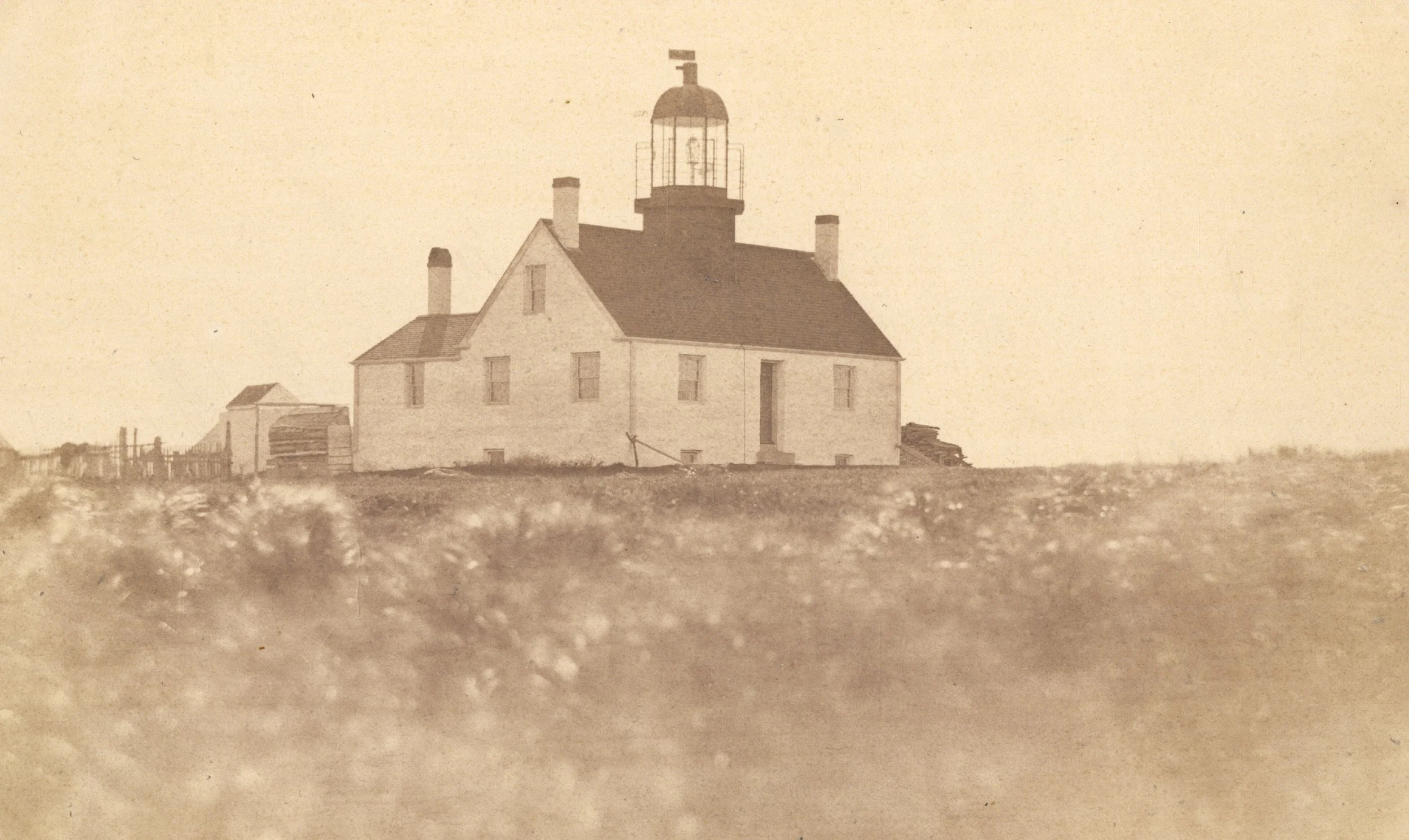
Cuttyhunk Light, Mayo Beach Light, Highland, Three Sisters, Race Point Light, Point Gammon Light, Brant Point, Edgartown Harbor, Gay Head Light

“Fre-nel”
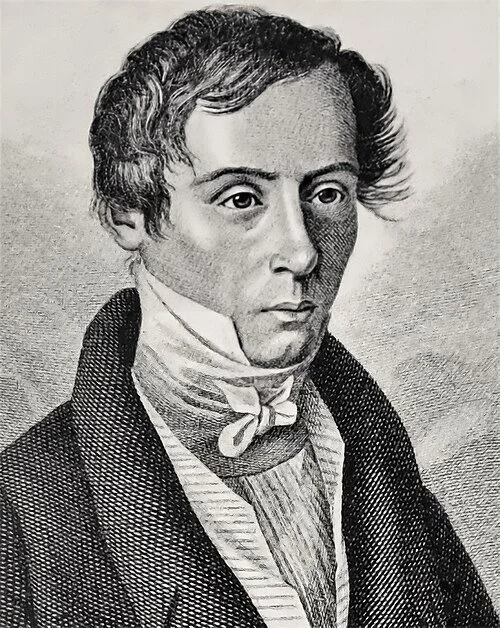
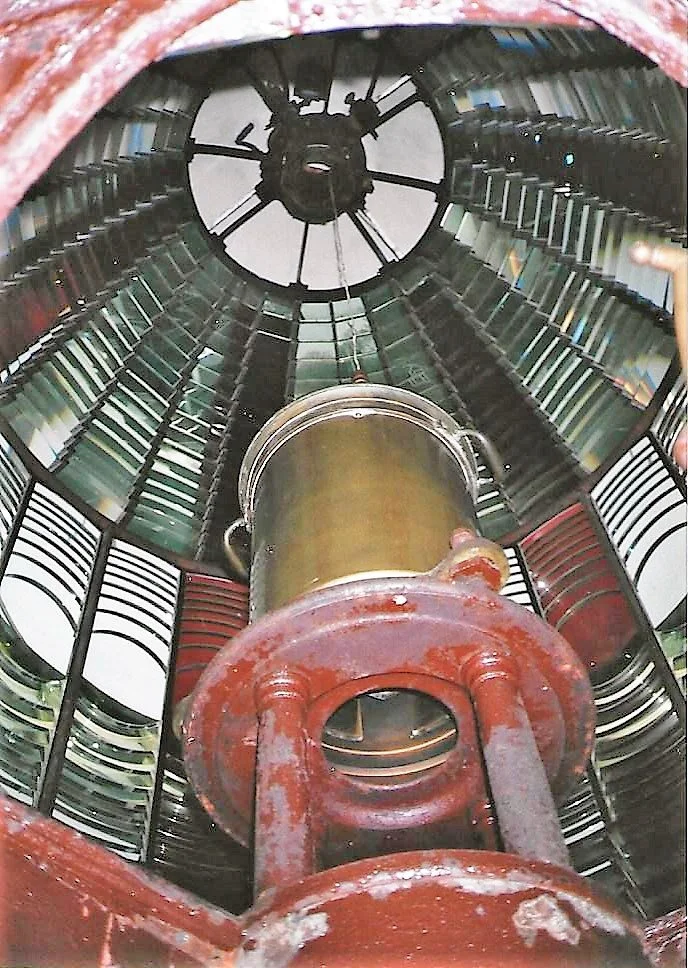
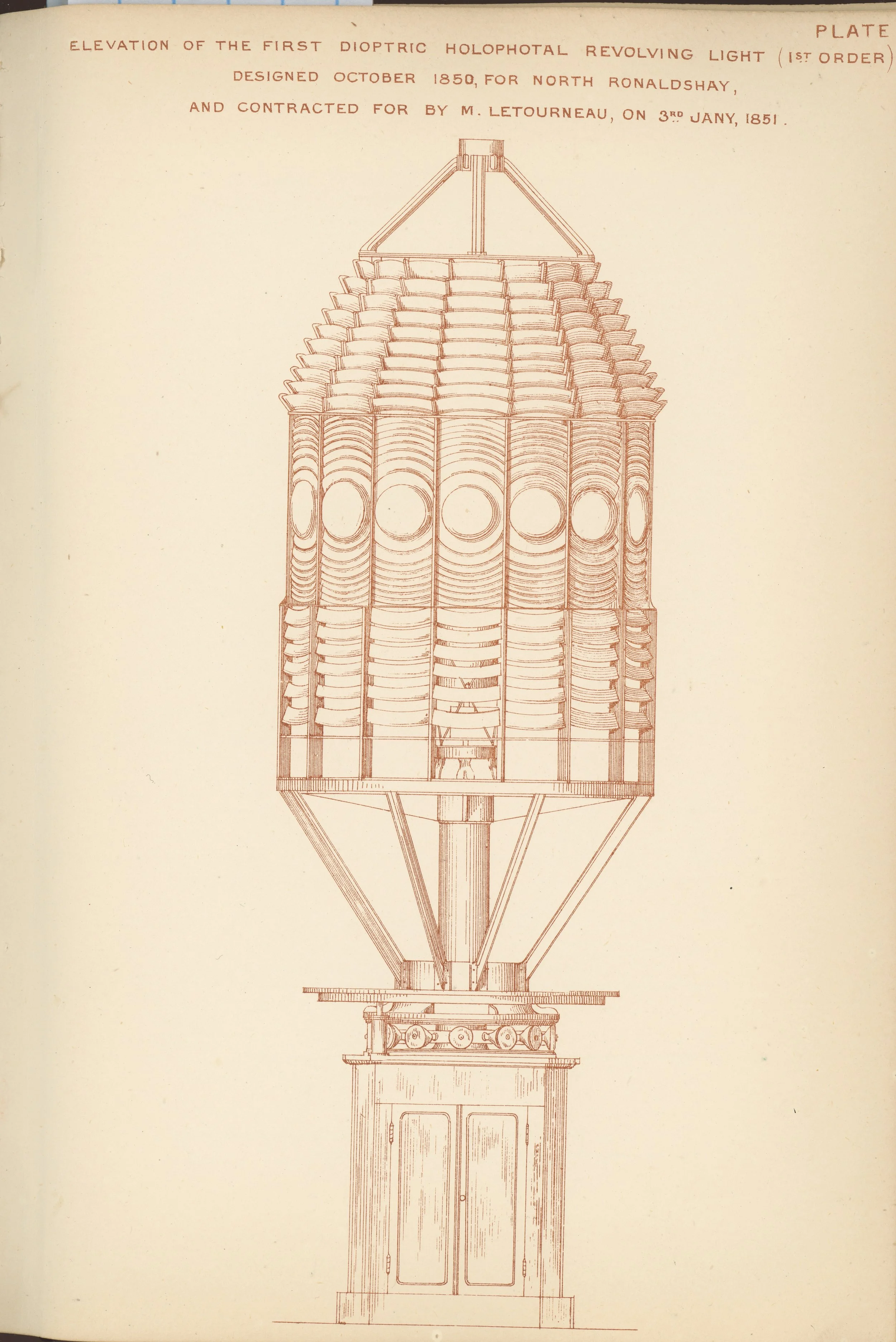
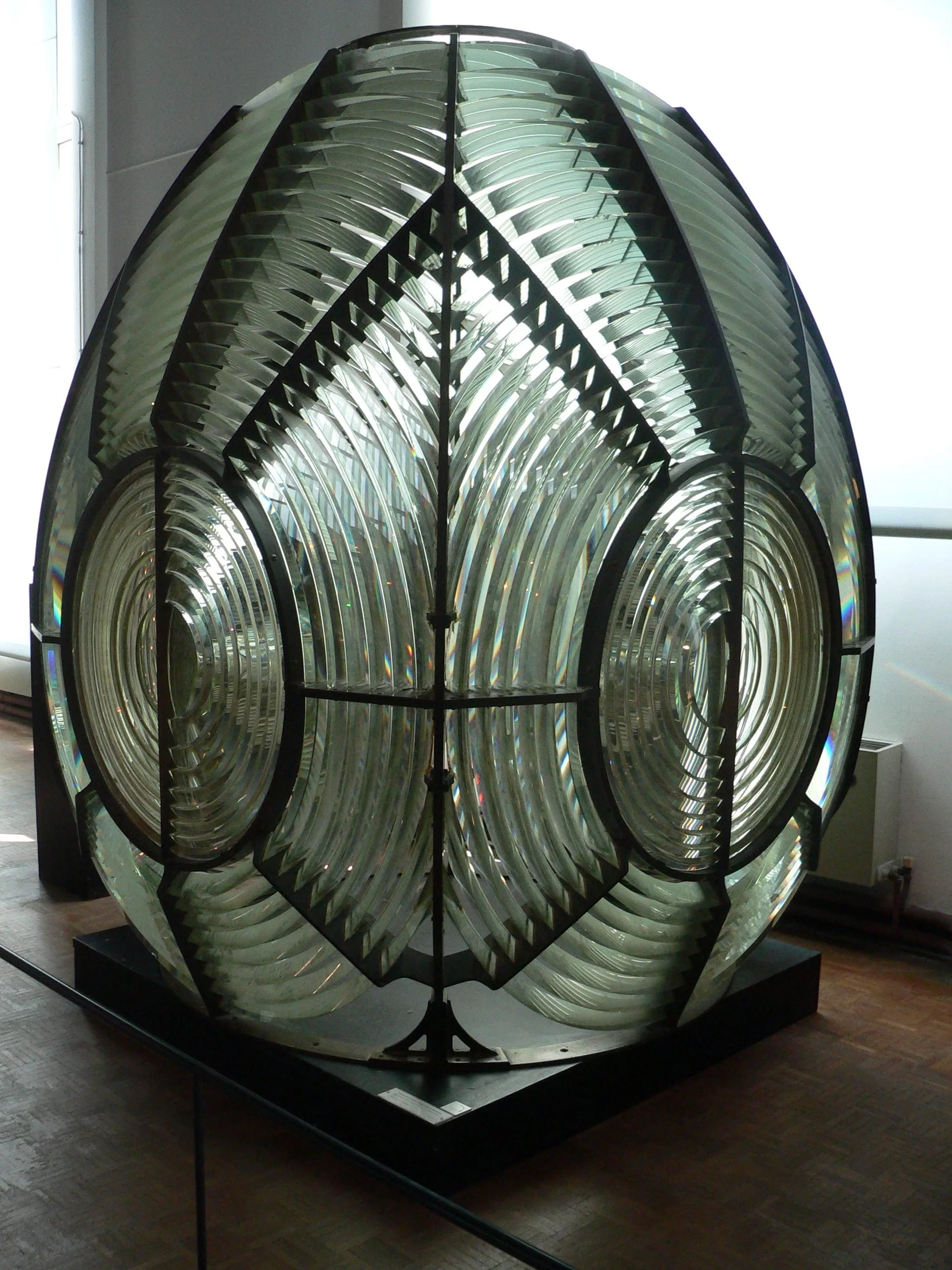
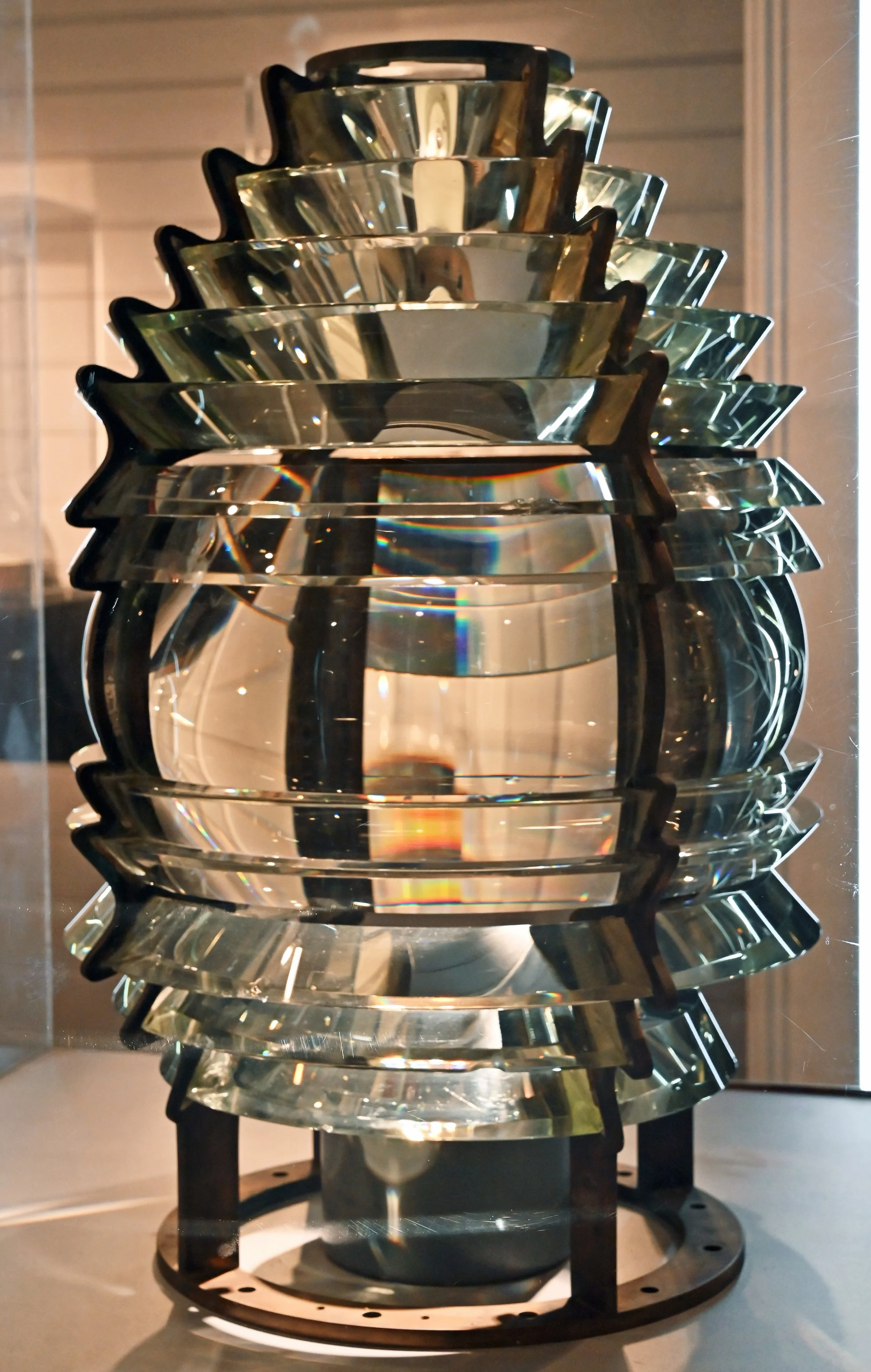
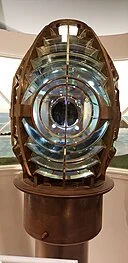
Augustin Fresnel was a member of the French Commission for Lighthouses (La Commission des phares). They investigated new and improved types of lights and lenses to enhance French lighthouses and other aids to navigation. During the 1820s, Fresnel designed several forms of the lens which now takes his name.
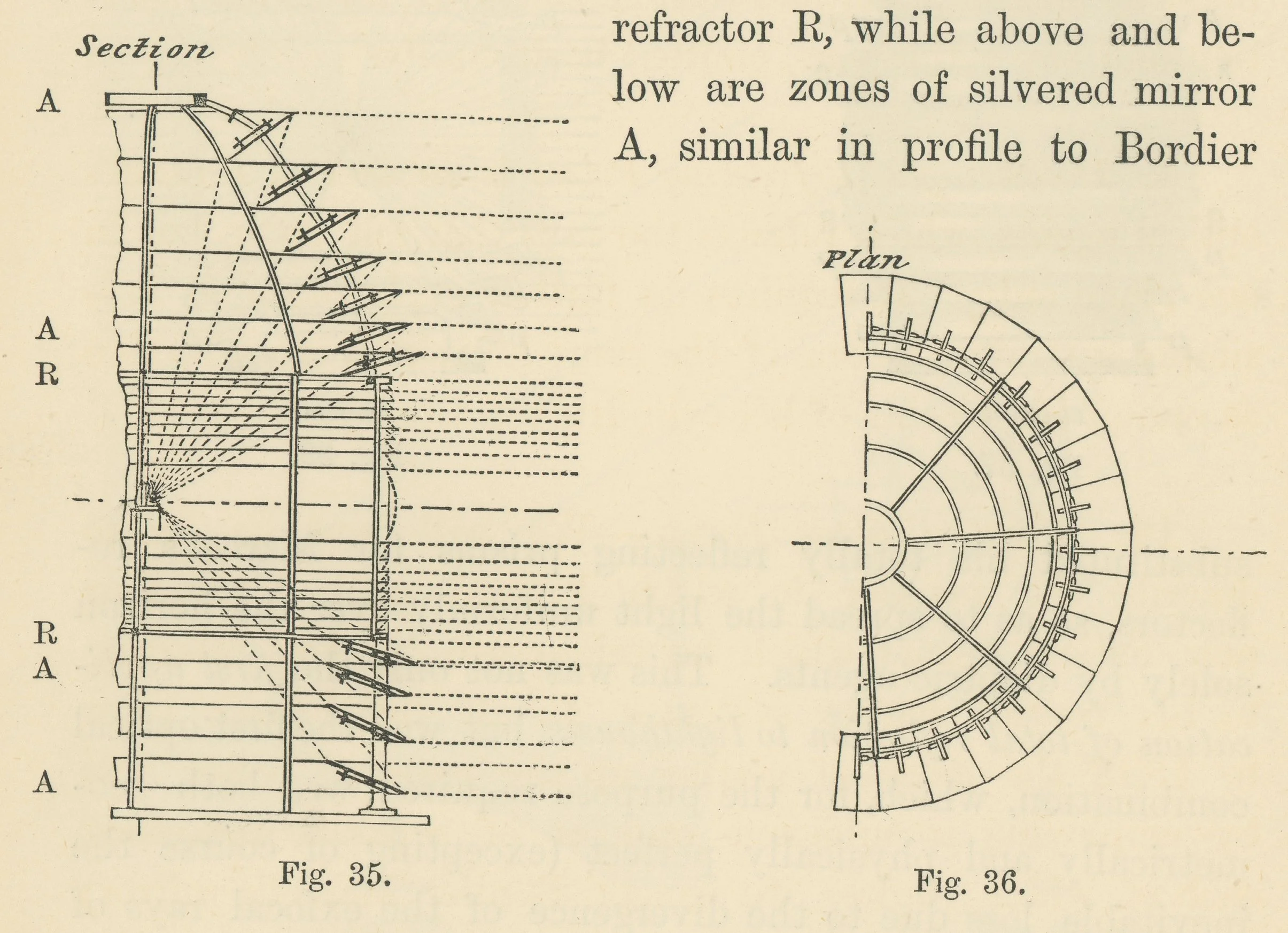
These are the two forms of Fresnel lenses, a flashing and a constant beam. It was possible to have a light with a solid beam interrupted by flashes, or to include color flashes with colored glass. It was all in how the glass lenses were designed.
Beginning in the 1850s, after the Lighthouse Establishment was replaced by the lighthouse Board, these heavy glass lenses quickly replaced the old system of reflectors.
The most common lens order for the Cape and Islands lights was the Fourth Order lens. Fourth Orders are between 2 and 3 feet tall and can be made as either flashing or solid-beam lenses. West Chop Light’s Fourth Order lens is still in use.
Between 1910 and 1935, technological advancements in automation and remote control led to fewer and fewer keepers and assistants and fewer residences at lighthouses. These advancements included automatic alarm bells and radio beacons, battery-powered buoys, remote control fog bells, devices to automatically replace burnt-out lamps, automatic time clocks in range lights, and more. Nearly 800 employees were no longer needed after these advancements.
By the 1930s, most light stations had reliable electricity. Many no longer needed keepers. Boston Light on Little Brewster Island was the last lighthouse in the United States to have a professional keeper. She retired in 2023.
Today’s lighthouses utilize automated aerobeacons, LED beacons, and some use solar power. Fog signals are controlled by radio.
Automated right out of the job
Through the Pages of History
The Establishment, the Board, The Service, and now the Guard
In 1789, George Washington signed the ninth act of Congress, making lighthouses and other formal Aids to Navigation the responsibility of the Treasury Department. Until this point, lighthouse costs, construction, and keeping were the responsibility of each individual state.
The first person to oversee the Treasury’s Lighthouse Establishment was Alexander Hamilton. Two others succeeded him, and in 1820, it was passed to Stephen Pleasonton, Fifth Auditor of the Treasury.
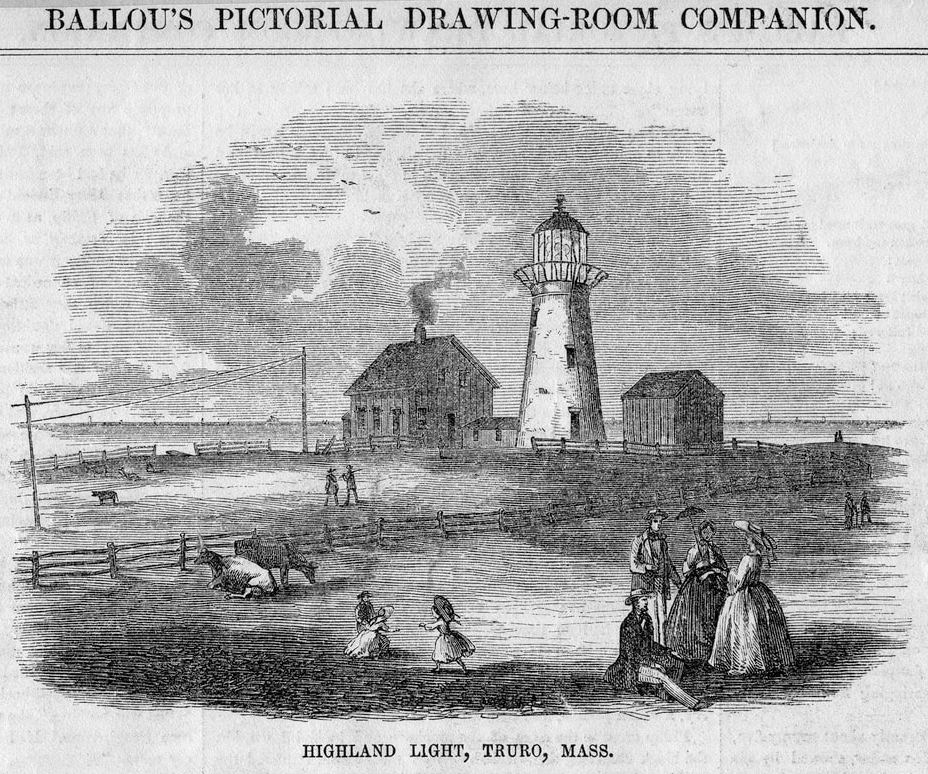
In 1796, Congress approved $8,000 (about $175,000 today) for a lighthouse on Cape Cod. Highland Light was first lit in November of 1797, and Isaac Small, who owned the land it sat on, was its first keeper. It was only the 20th lighthouse in the new United States.
Under Pleasonton, the number of lighthouses and other navigation aids grew. In 1822, there were 70 lighthouses across the entire country, and only about 4 Lightships. By 1852, there were 331 Lighthouses and 42 Lightships.
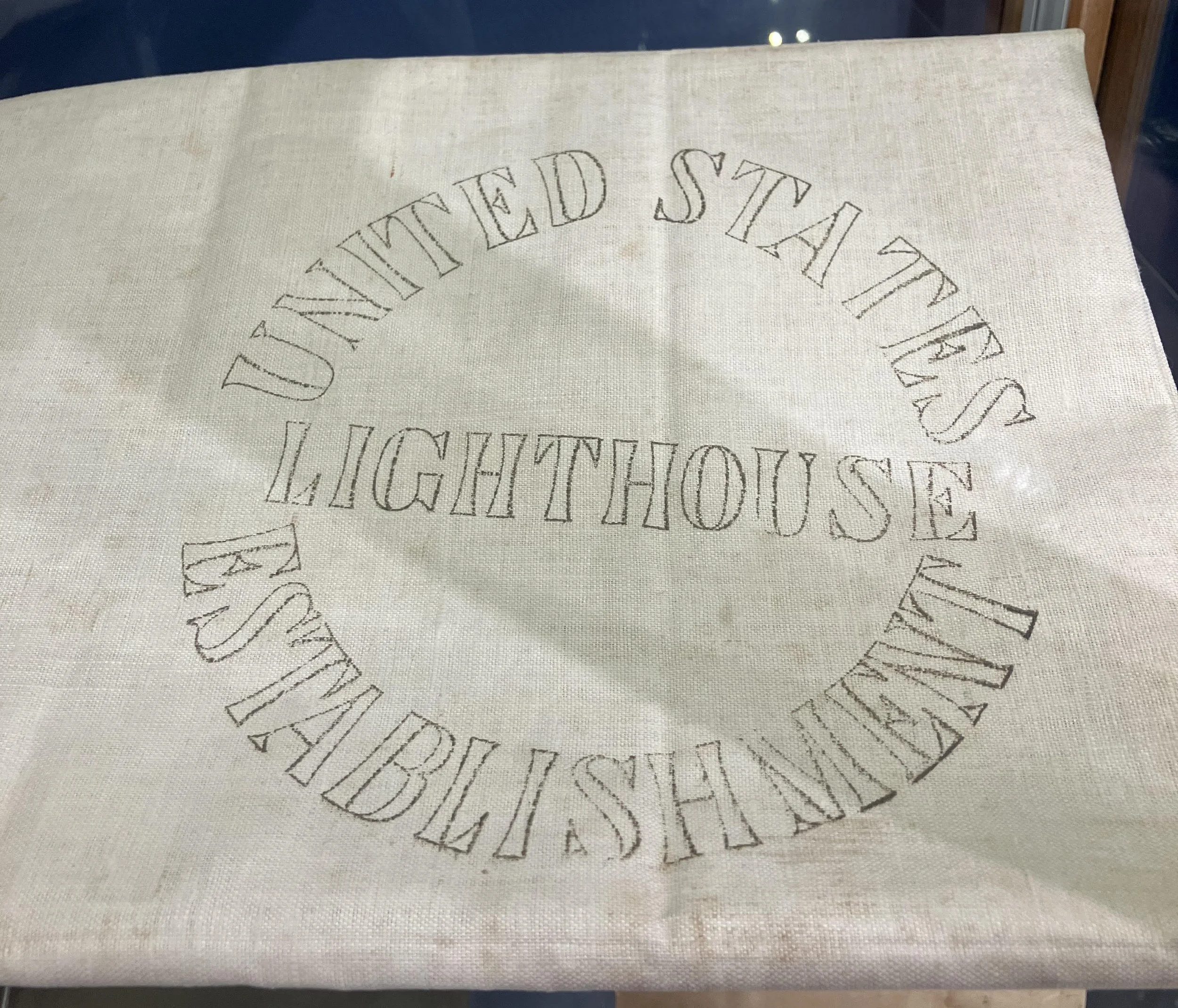
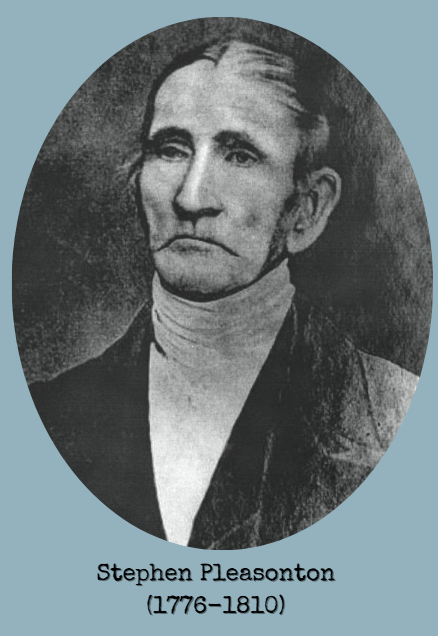
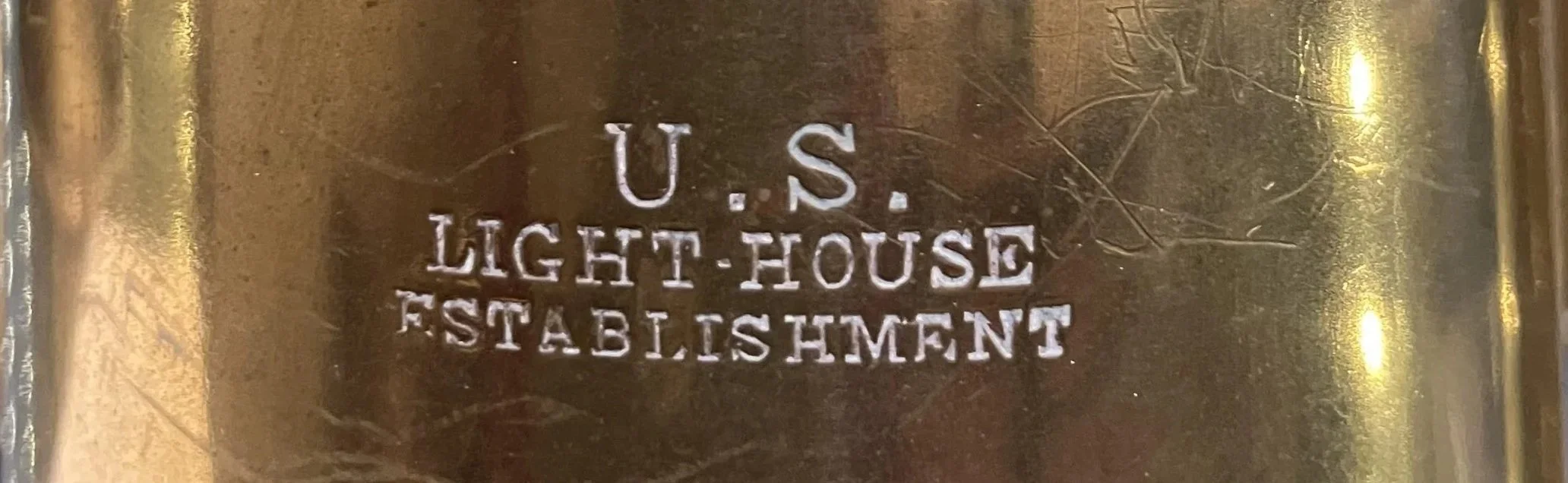
Despite this, Pleasanton resisted technological change. He refused to change to the new Fresnel lens even after being forced to test them in the 1840s.
Pleasanton (and Congress) fielded complaint after complaint about the poor quality of lighthouse lights from mariners and navigators, and lighthouse inspections revealed poor construction and poor choices of location.
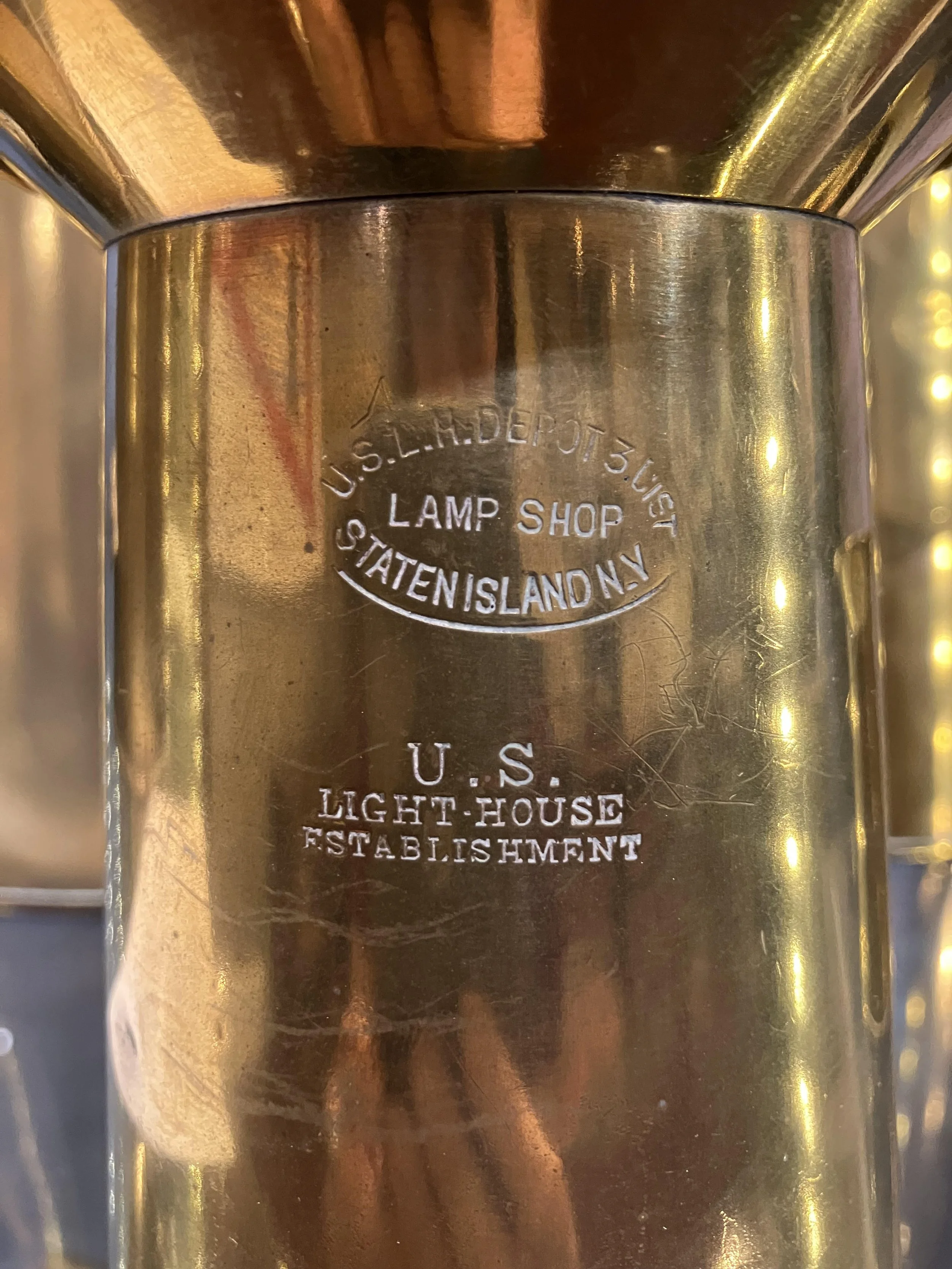
The Cape Cod Maritime Museum's Lighthouse Artifact collection dates to the Lighthouse Establishment period. It was generously donated to us by Richard Boonisar.
In 1852, Congress abolished the Lighthouse Establishment and created the U.S. Lighthouse Board. This came after a year-long investigation by distinguished military officers and non-military scientists into the problems and complaints against the Establishment. Many of these same investigators were hired to oversee the construction and maintenance of aids to navigation under the new Lighthouse Board.
The Board implemented new types of towers, lights, and lenses, and one of their first major technological advancements was the purchase and installation of Fresnel lenses in nearly all lighthouses across the US. They also updated the instructions published for keepers and mandated that all keepers be able to read and write in order to read their instructions and file reports.
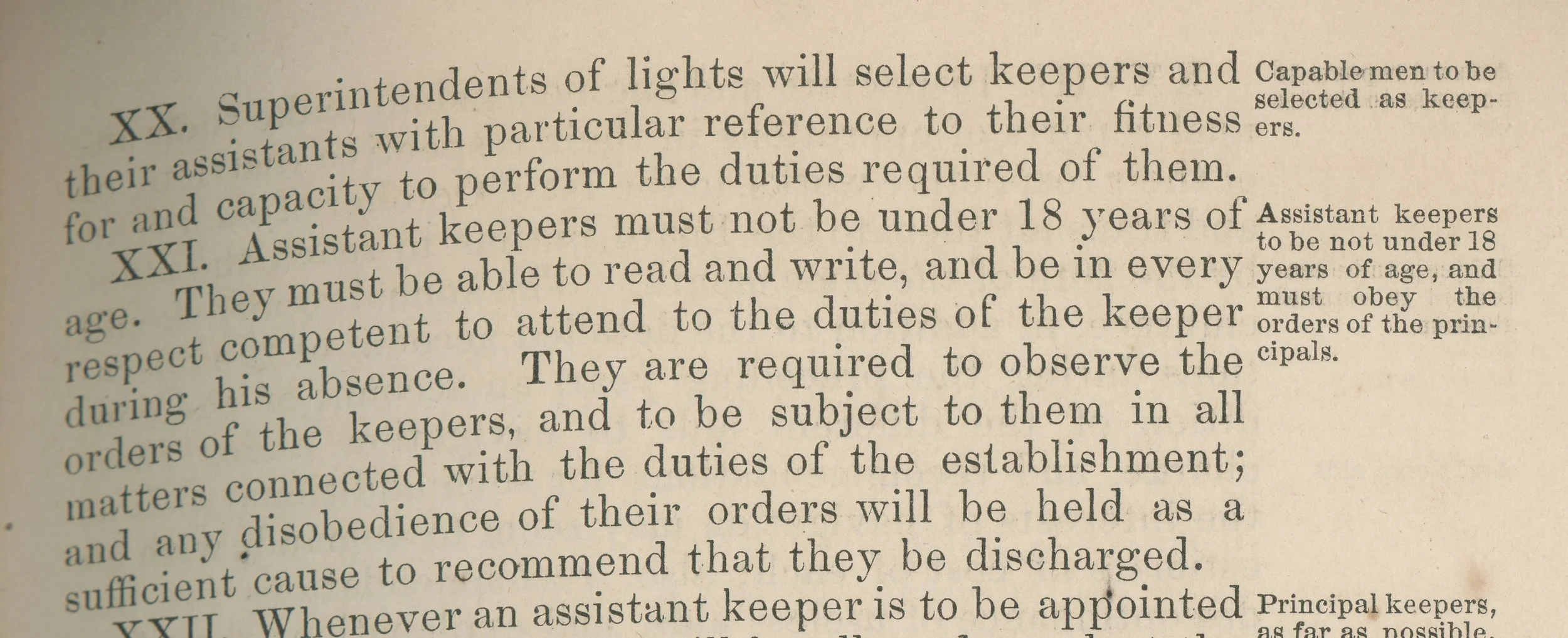
In the 1850s, the Board declared specific color schemes for buoys, range lights, and day markers. Through the 1850s and 60s, manual fog bells were replaced by whistles, automated bells, and siren or reed trumpets. In 1900, the Board began to convert lighthouses to electric service, beginning with the Statue of Liberty.
By 1910 there were 11,713 aids to navigation, 850 of which were lighthouses. This includes more than 25 lighthouses on the Cape and Islands alone. The Lighthouse Board was more military than civilian in its oversight and management. Congress wanted this to change, and in 1910, the Board was abolished, and the new Bureau of Lighthouses under the Department of Commerce and Labor was created.
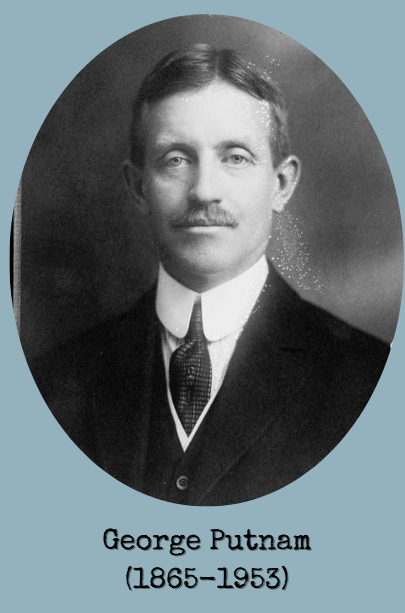
While officially a ‘bureau,’ it is known more commonly as the Lighthouse Service, as this was the name given on the legislation creating it. President Taft appointed George Putnam as the Commissioner of Lighthouses, a position he held for 25 years. By the end of Putnam’s oversight of the Lighthouse Service, the United States’ shipping safety record was second only to the Netherlands in the world.
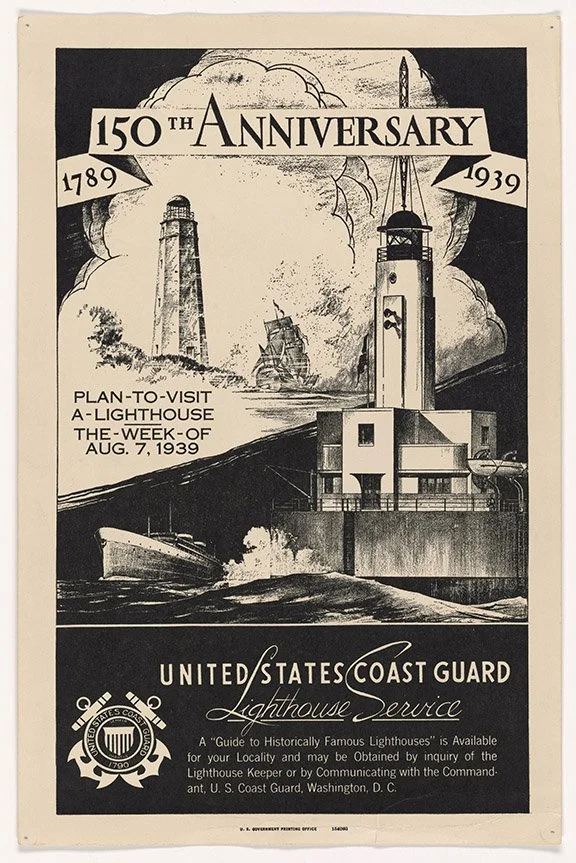
In 1915, the US Lifesaving Service and the Revenue-Cutter Service were merged by an Act of Congress, and the United States Coast guard was formed. In 1939, the Coast Guard took over maintaining the nation’s lighthouses
By the 1930s, most light stations had reliable electricity. Today it's more cost-effective to construct and maintain steel structures or buoys rather than traditional lighthouse towers, so many lighthouses (the physical towers) and their respective houses and outbuildings have been transferred to non-profit or private ownership.
dAILY TASKS
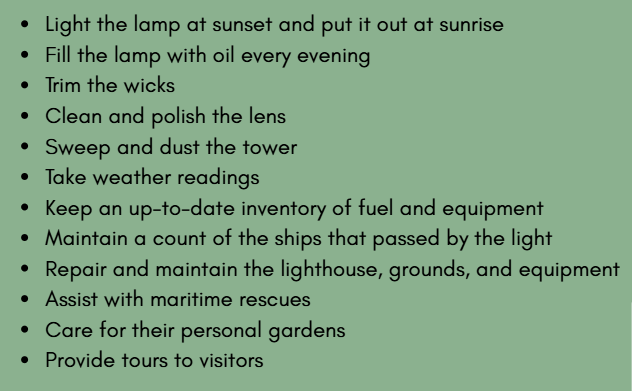
An awful lot went into the turning on of a light…
Lighthouse keeping is actually many different tasks all centered around the care of the light, the tower, the surrounding area, and of reports to Inspectors and assesors.
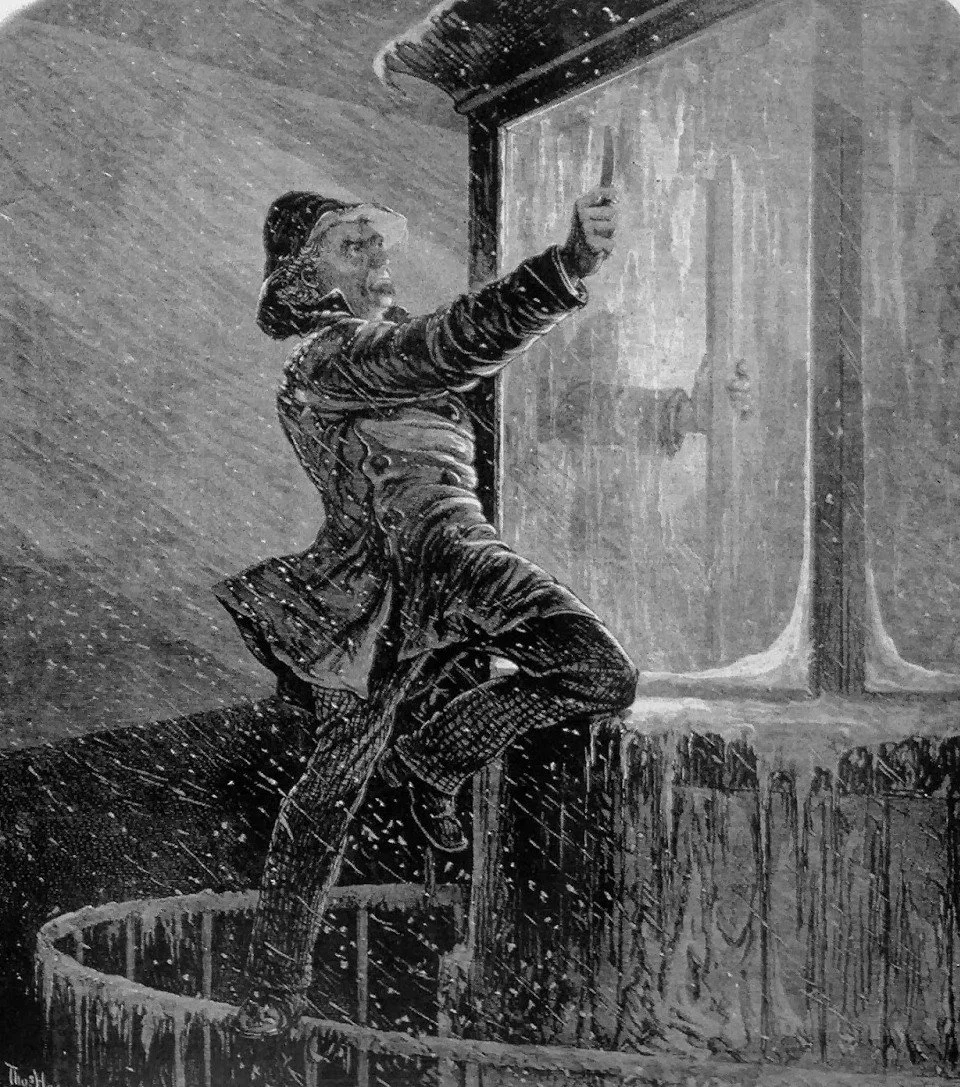
Keepers were, firstly, responsible for the care and upkeep of their lighting apparatus, and making sure it was lit every night as well as every foggy day. This task encompassed much of their time because it involved the swapping, cleaning, polishing, and winding of mechanical components.
Keepers also needed to maintain the cleanliness of their tower and house, and any outbuildings like oil houses or storage barns.
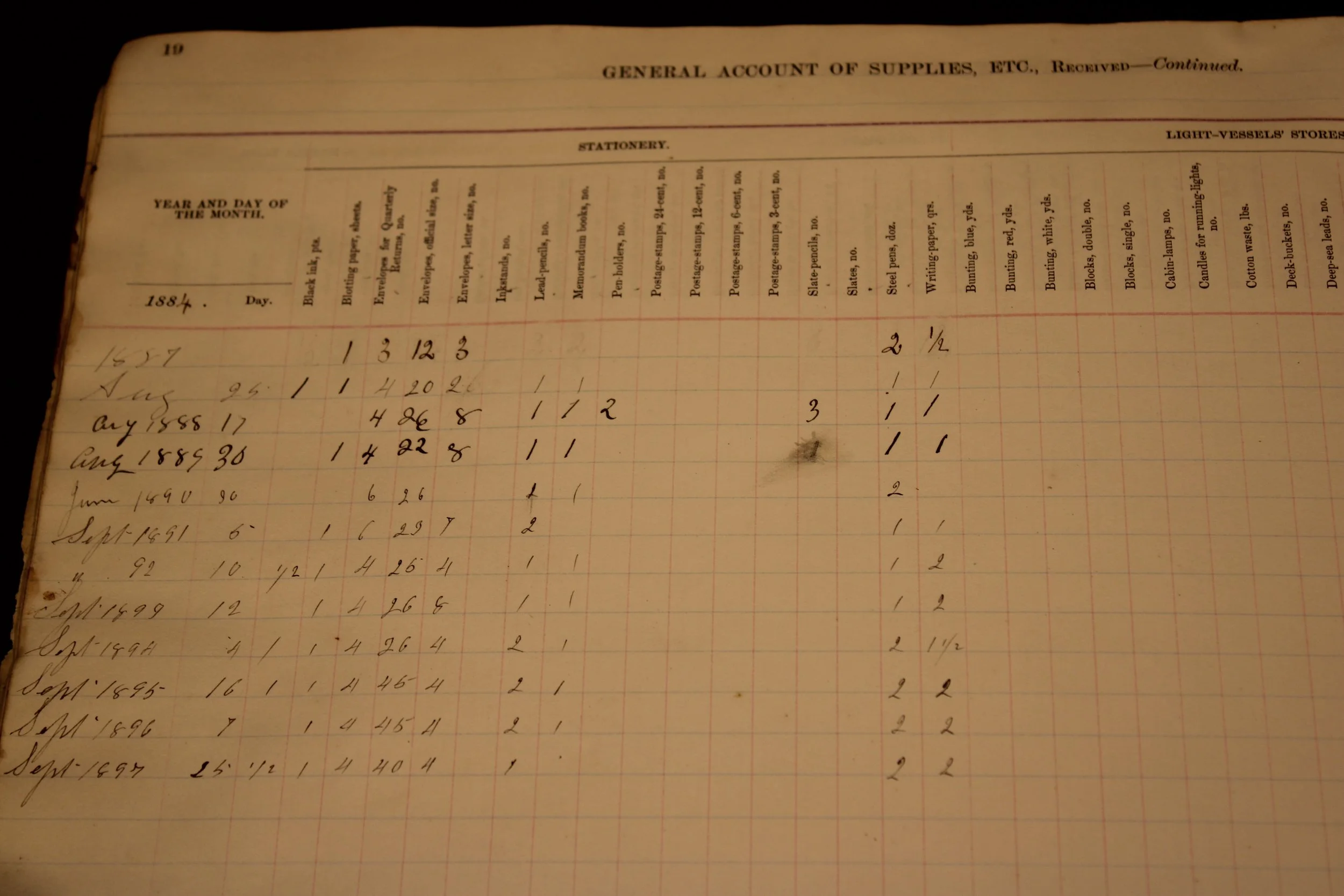
Log Keeping
Keepers tracked their supplies dilligently, as they needed to report the supplies they consumed in the course of tending and lighting the light.
They were also tasked with recording weather information in their logs, and for several years they were asked to count the number of ships which passed by their station.
Brasswork
Most keepers would tell you the most time consuming part of their routine was the ‘Brasswork’. By the 1850s, much of the lighting apparatus and the tools were made of brass, which by regulation all had to remain polished and bright. This also included the buttons on the keeper’s uniform, and the standard issue dustpan.
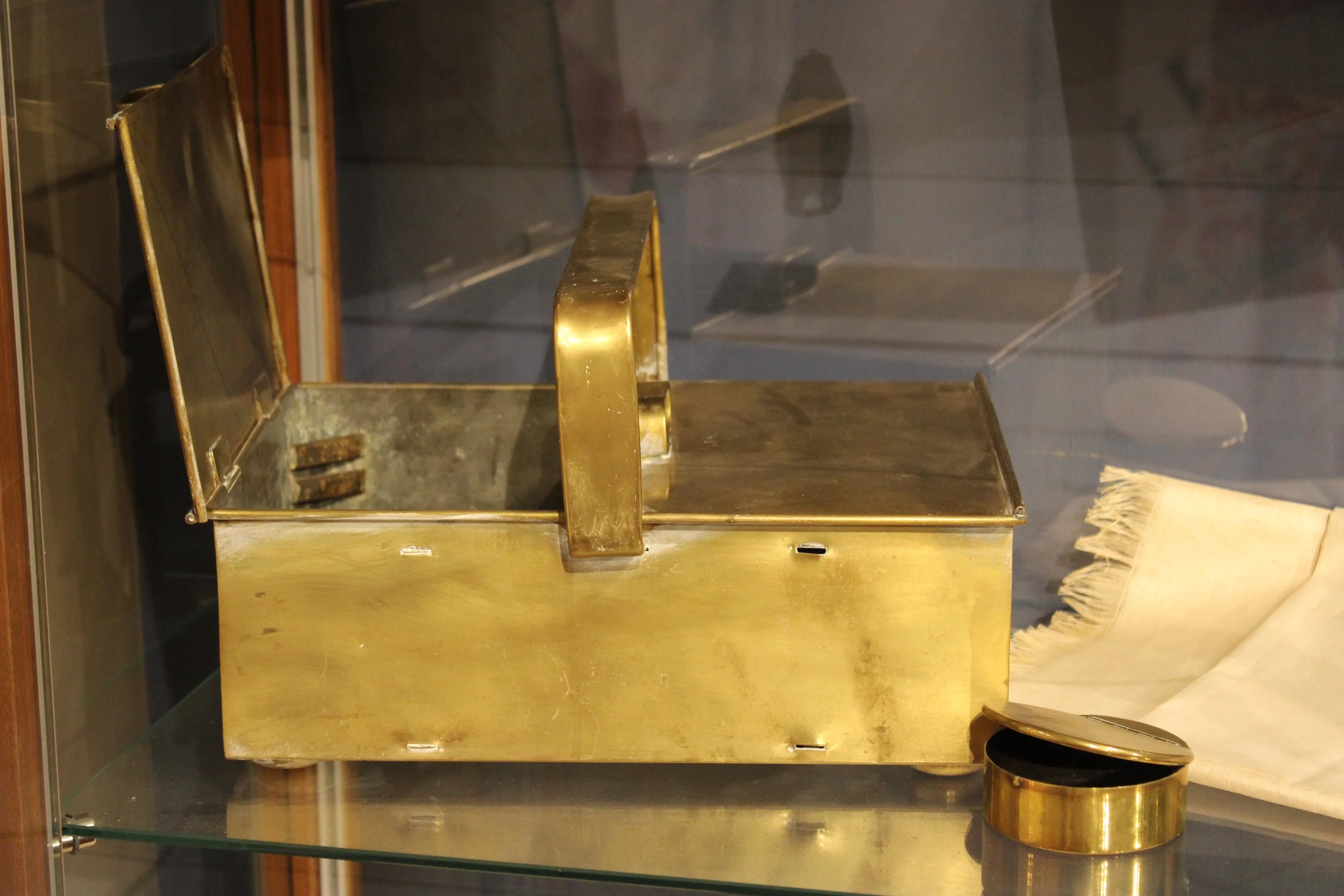
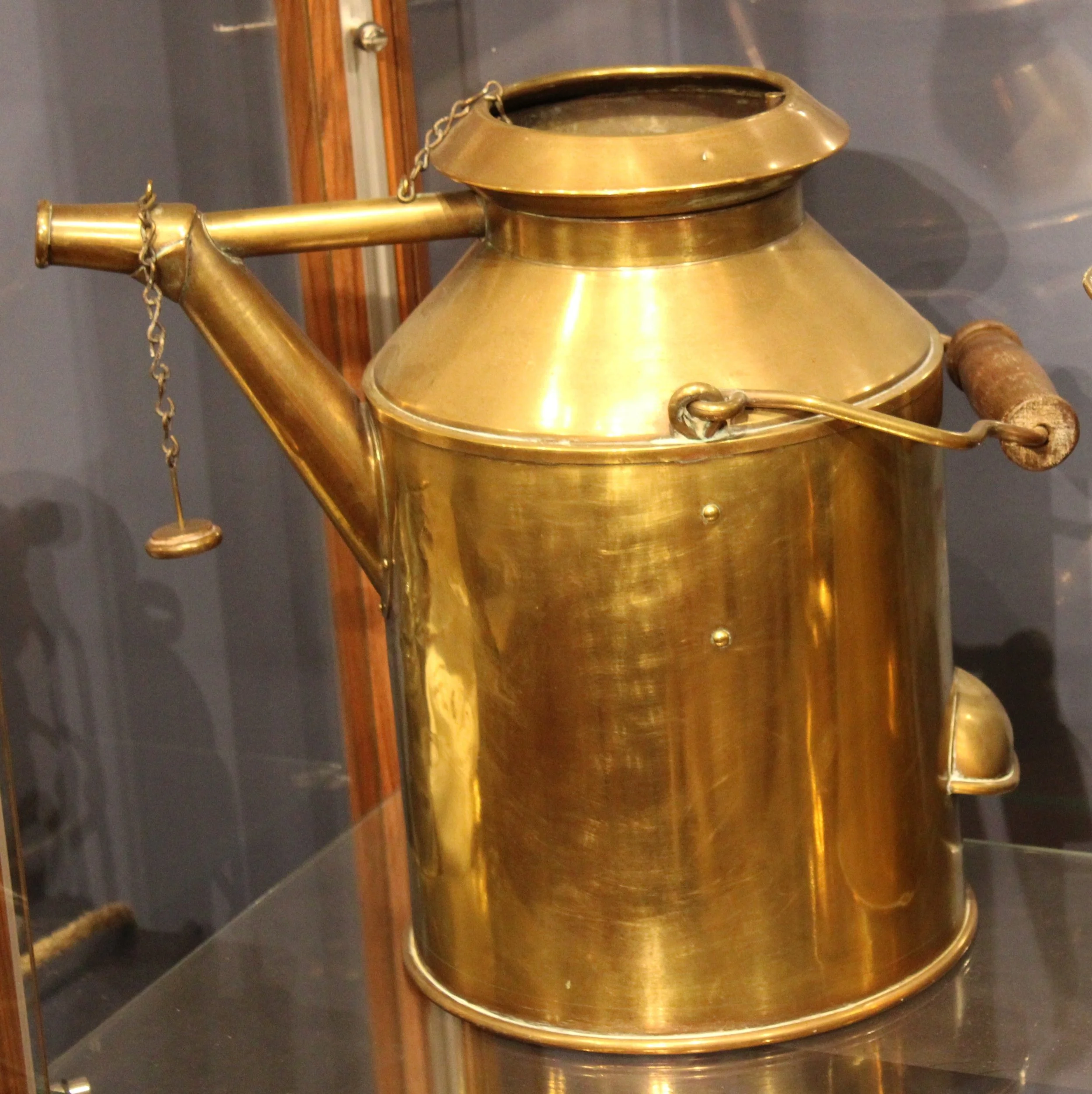
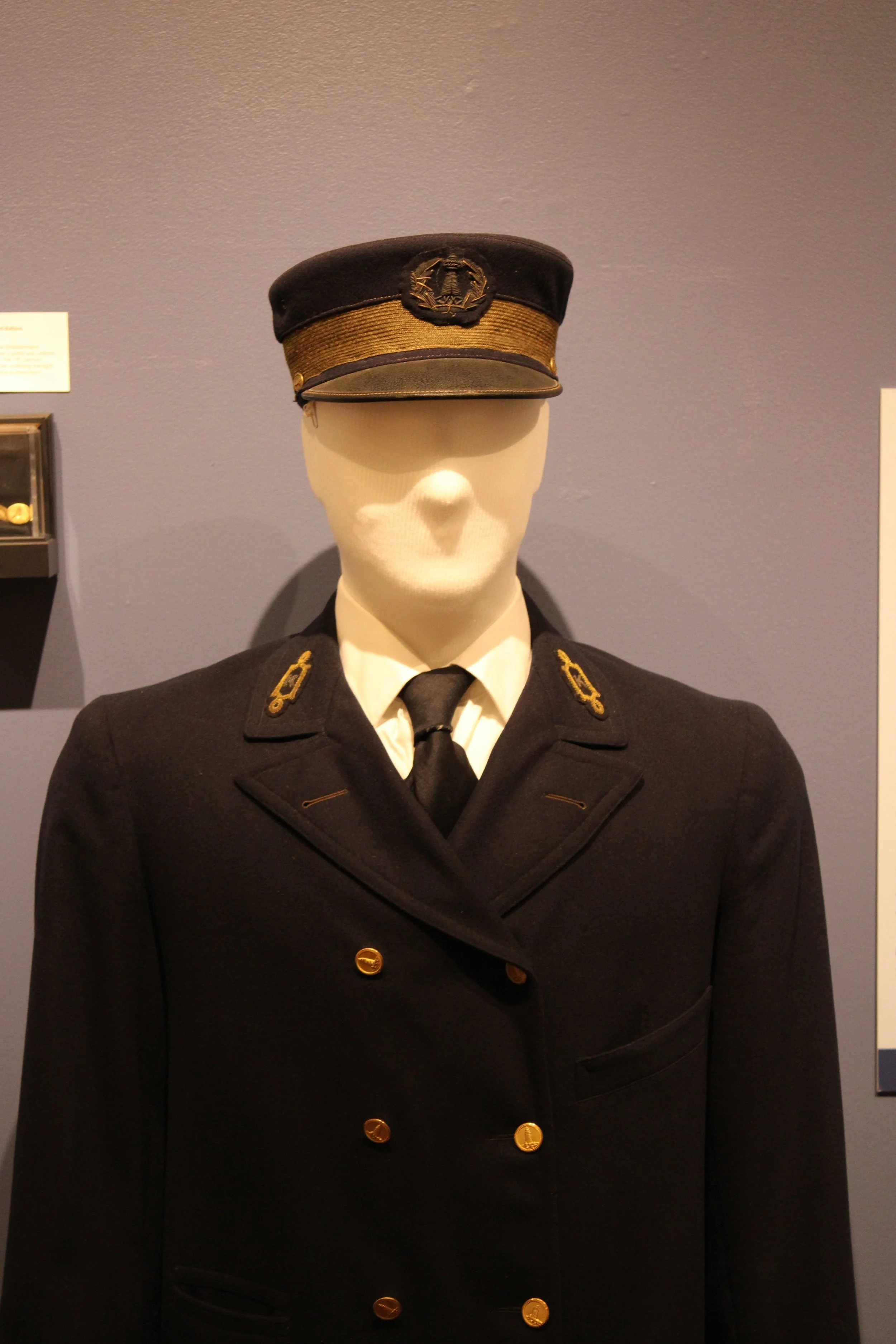
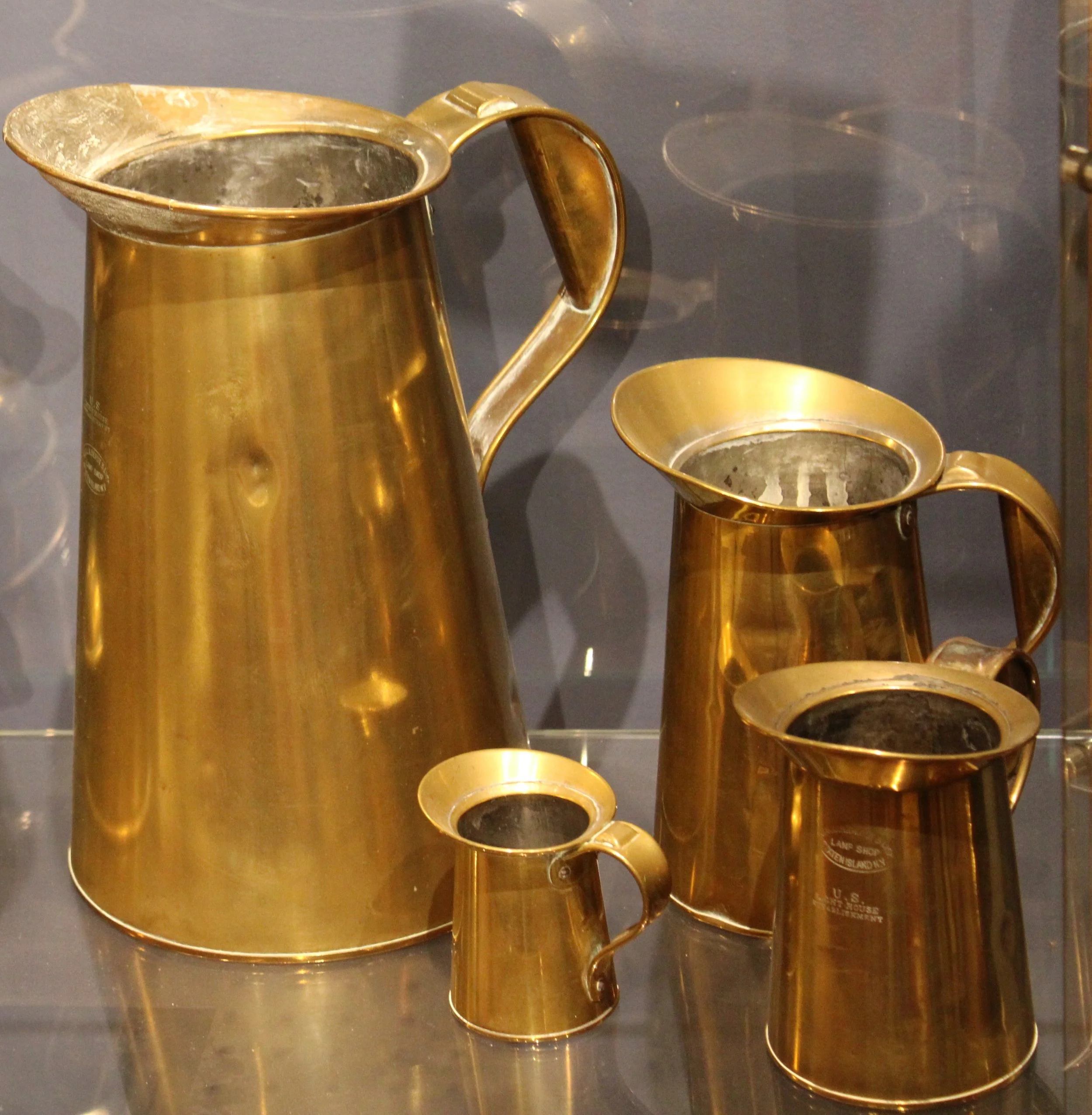
...The devil himself could never invent, A material causing more world wide lament, And in Uncle Sam's service about ninety per centis BrassworkThe lamp in the tower, reflector and shadeThe tools and accessories pass in parade As a matter of fact the whole outfit is madeOf BrassworkFrom pillar to post, rags and polish I toteI'm never without them, for you will please noteThat even the buttons I wear on my coatAre brasswork...The machinery clockwork, and fog-signal bellthe coal hods, the dustpans, the pump in the wellNow I'll leave it to you mates, if this isn't--wellBrassworkSelections from : Brasswork, or the Lighthouse Keeper’s Lament by Fred Morong, keeper
Rotation devices
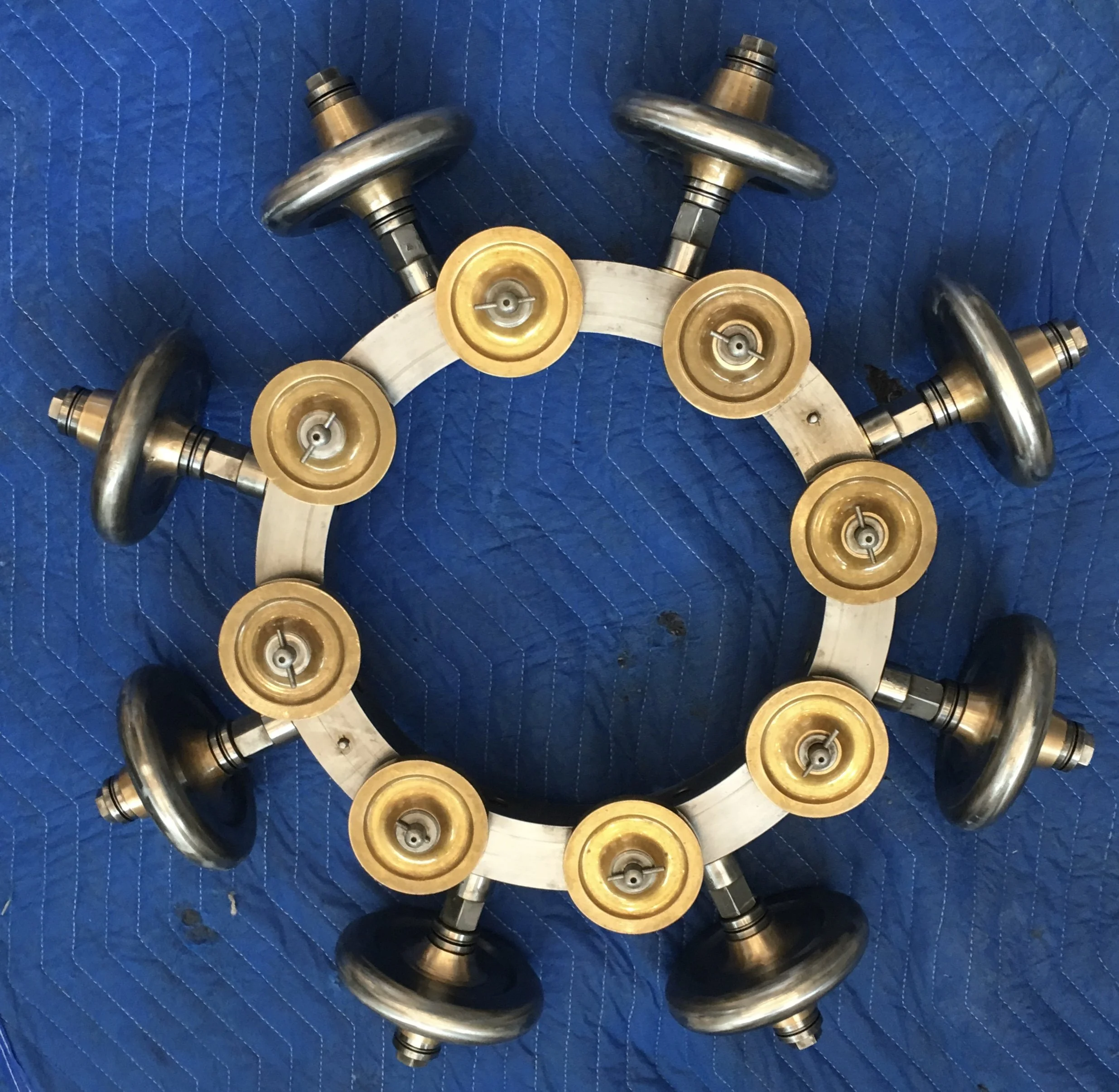
There were three ways Lighthouse lights rotated in the days of Fresnel lenses: Ball Bearings, Chartiot Wheels, and Liquid Mercury.
Ball Bearings was a more cost-effective system for rotating lenses at high speeds. Beginning in the 1890s, they could be made of steel. They were easy to keep to clean, and easy to switch out or repair.
Chariot Wheels worked best for lenses which needed to rotate at slower speeds. The base of the lens sat on top of a set of roller wheels, which sat in a round track. Smaller “guide” wheels sat on a separate track to prevent them from moving from side to side. At high speeds, there was too much friction, and the wheels had to be replaced more often.
Liquid Mercury is 14 times more dense than water. This means that many things that would sink in water float on the surface. Lenses rotated on a ‘mercury float.’ This was a donut-shaped vat of mercury, with a donut-shaped base floating in it, connected to the base of the glass lens. The mercury lightened the load, so a smaller mechanism or engine could power the rotation at a specific speed.
Lighthouses which had rotating lights had mechanisms to rotate them which were wound up. Once wound and set free, weights would drop down the tower to keep the machine running, and a ‘governor’ would govern the speed to keep it from going too fast. These weights were sometimes kept within tubes or had special drop zones to prevent injuries to keepers and their families.
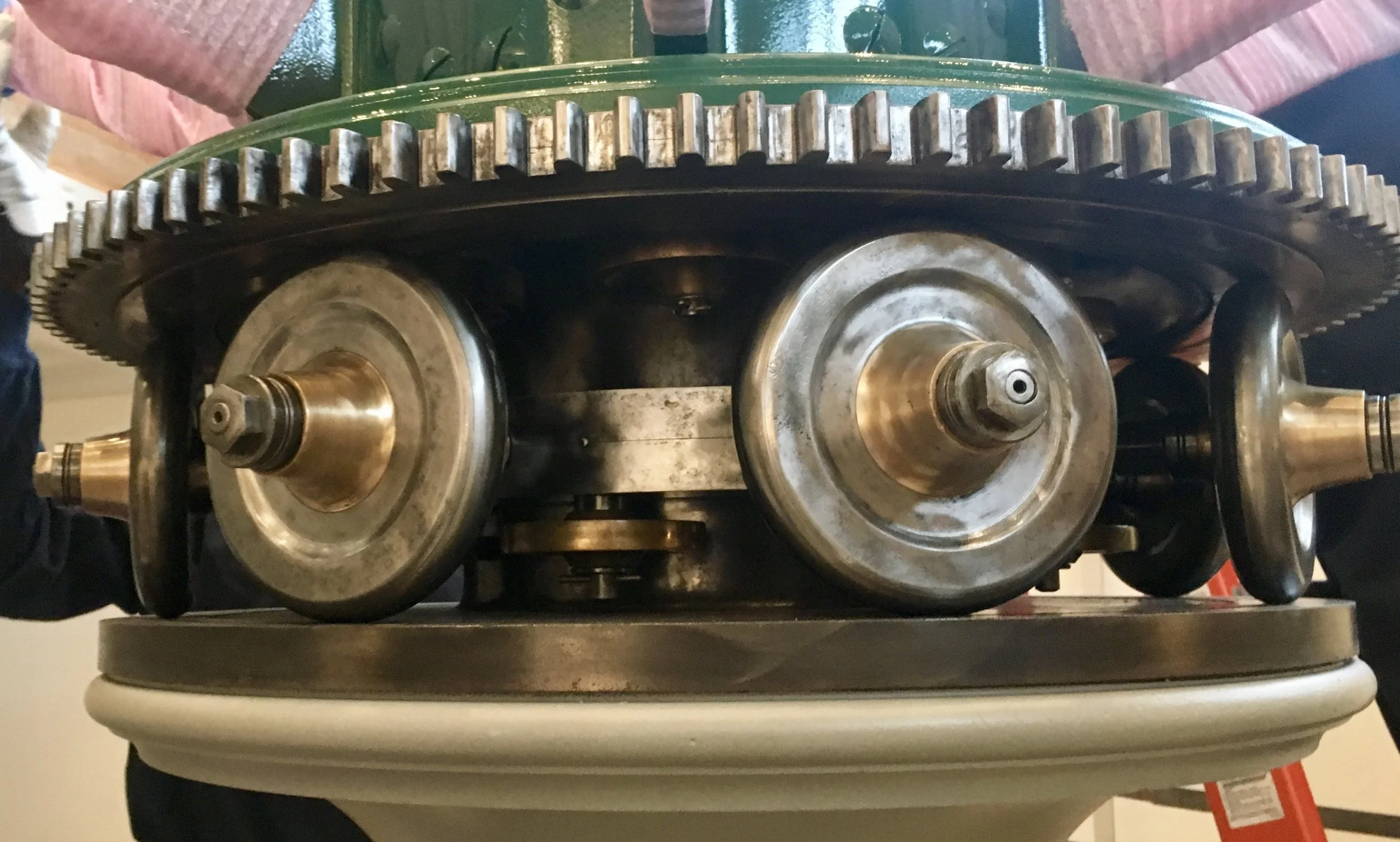
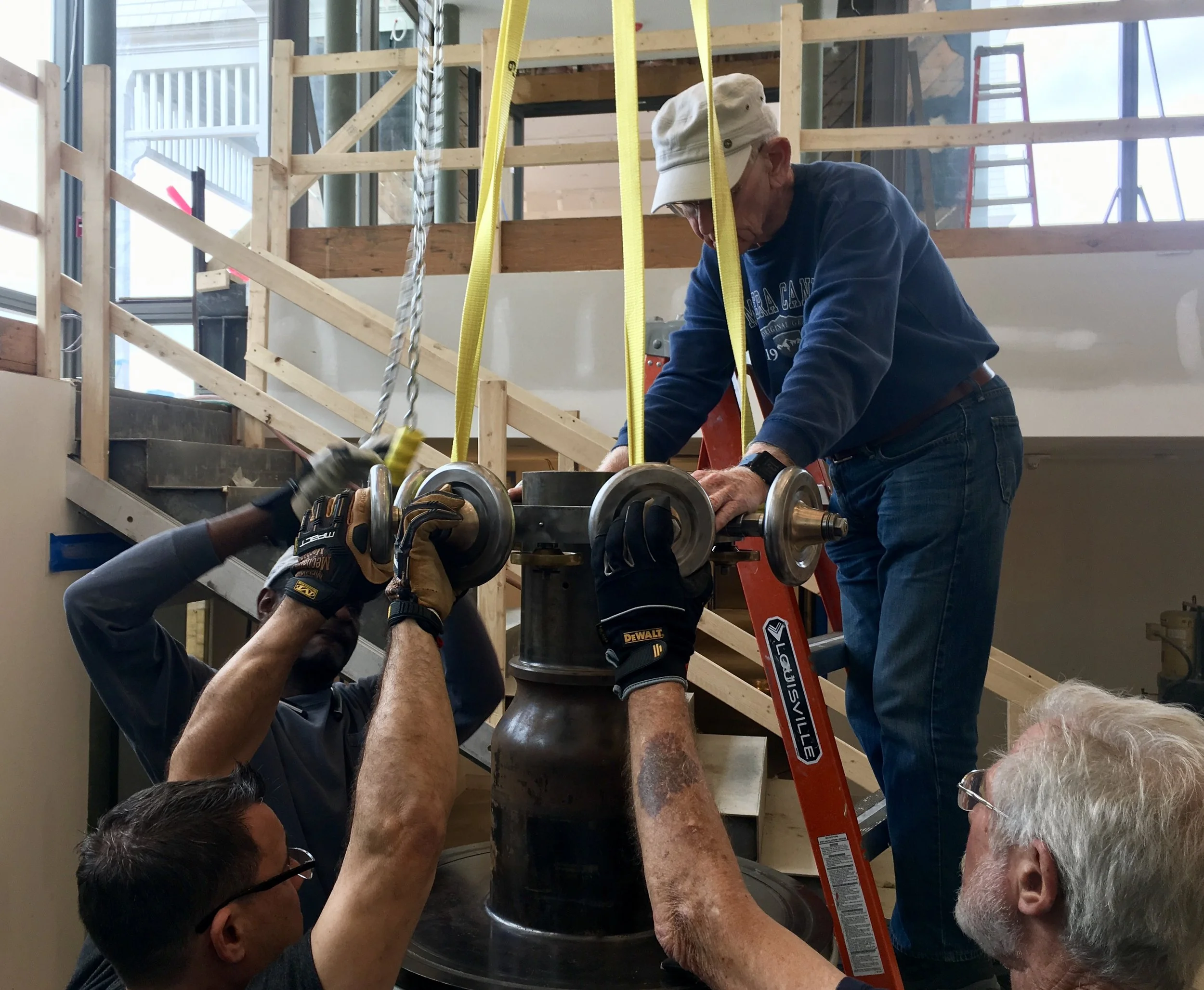
These images are of the chariot wheel system from Gay Head light, refurbished and installed in the Martha’s Vineyard Museum in 2019.Keepers were required to give tours to visitors, if they wished to see the tower. Some keepers lamented that this would ruin their brasswork, “for no other reason than to smooch and besemear”. Some keepers, like Charles Vanderhoop of Gay Head light, were known to be very knowledgeable and excellent tour guides.
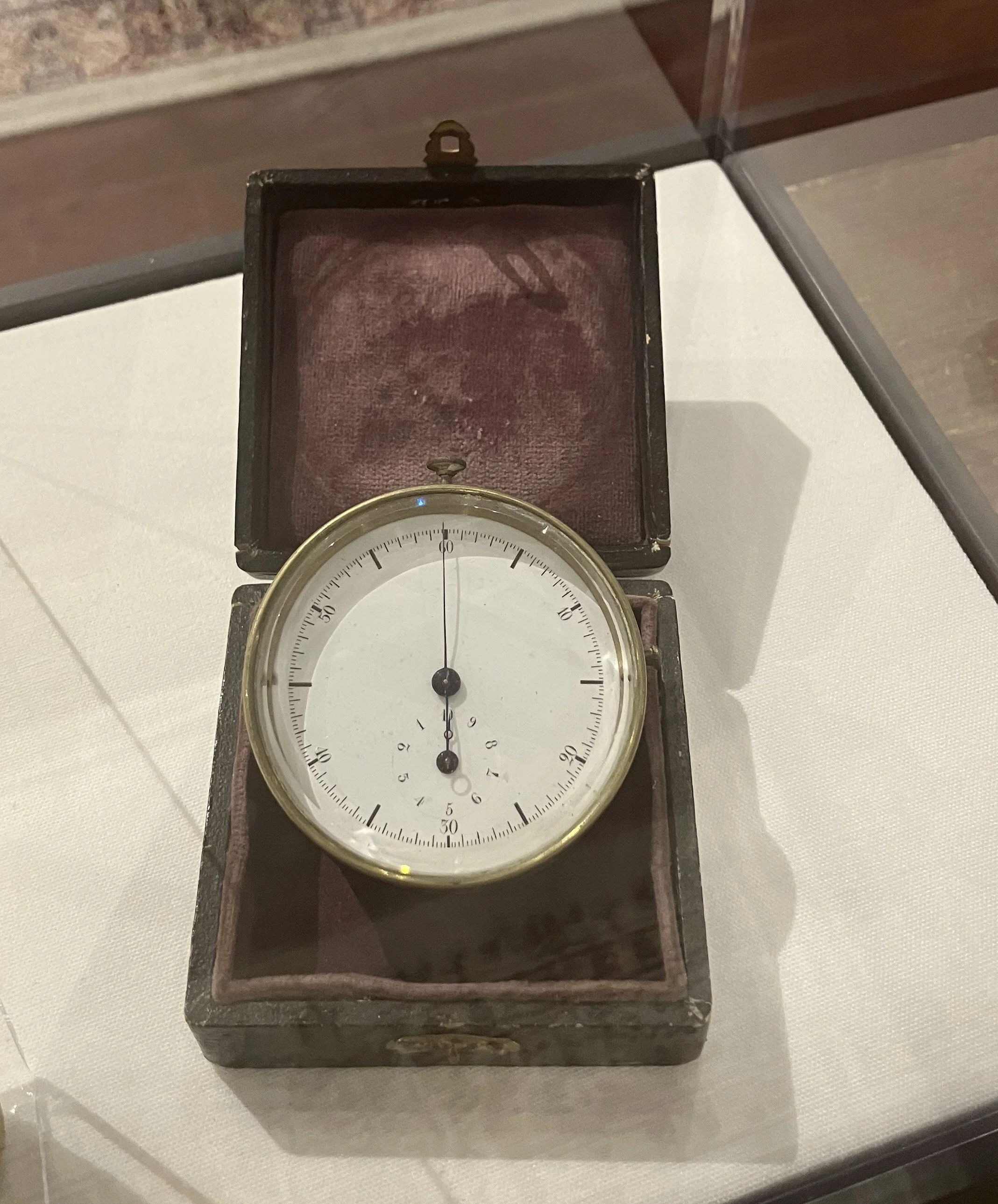
In the days of Fresnel lenses and automated bell-ringers, clockwork mechanisms run by small motors rotated the lenses and ran the foghorns. This clockwork needed winding every few hours. All this machinery and clockwork needed to be wound and calibrated so the flashes or sounds would happen according to that Lighthouse’s characteristic pattern. To do this, Keepers were issued stopwatches. They could run their machinery, time the light or fog signal with their watch, and recalibrate the machinery as needed
Timekeeping
AIDS TO NAVIGATION
What are they made of, and why do they have different signals?
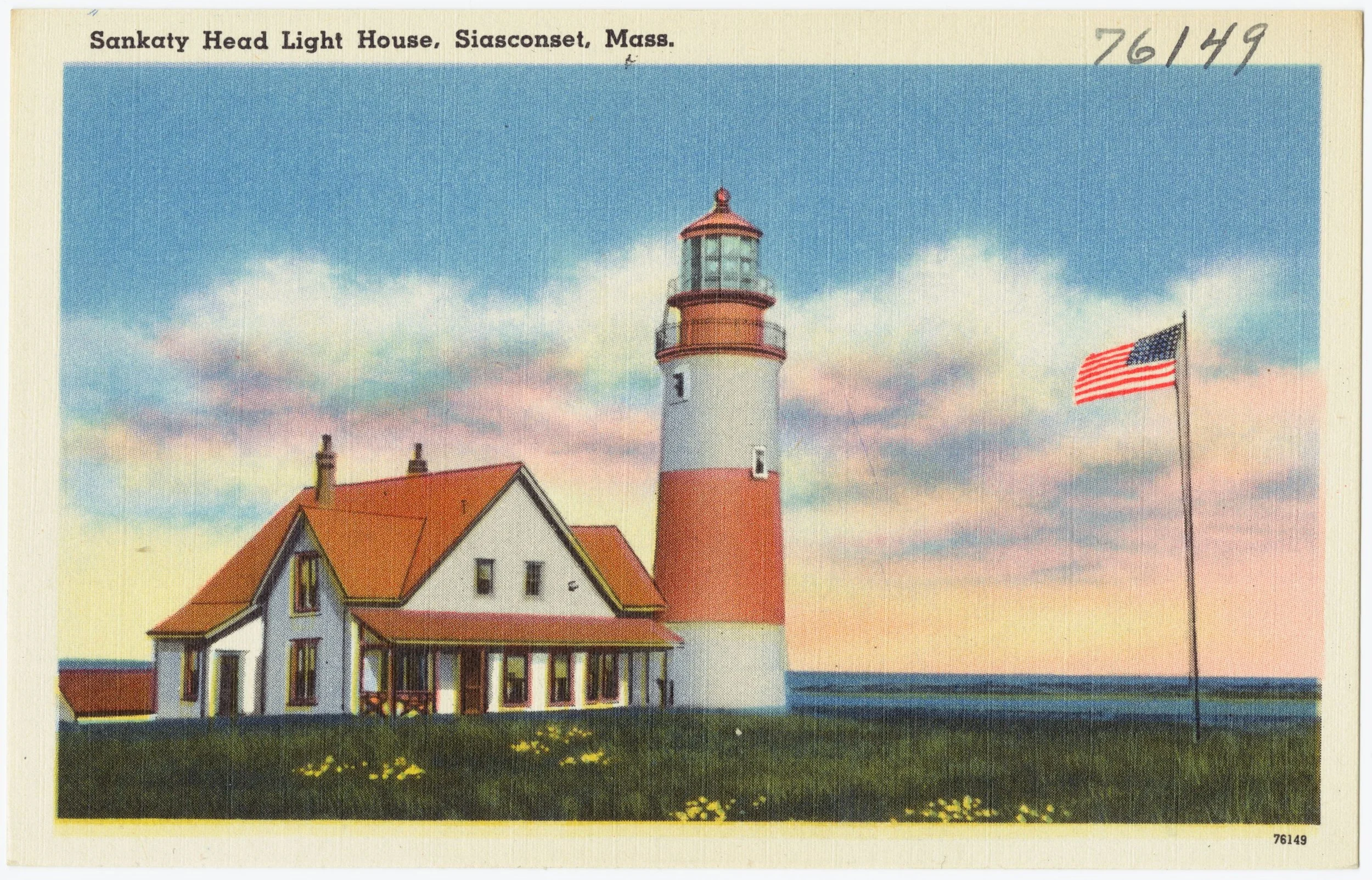
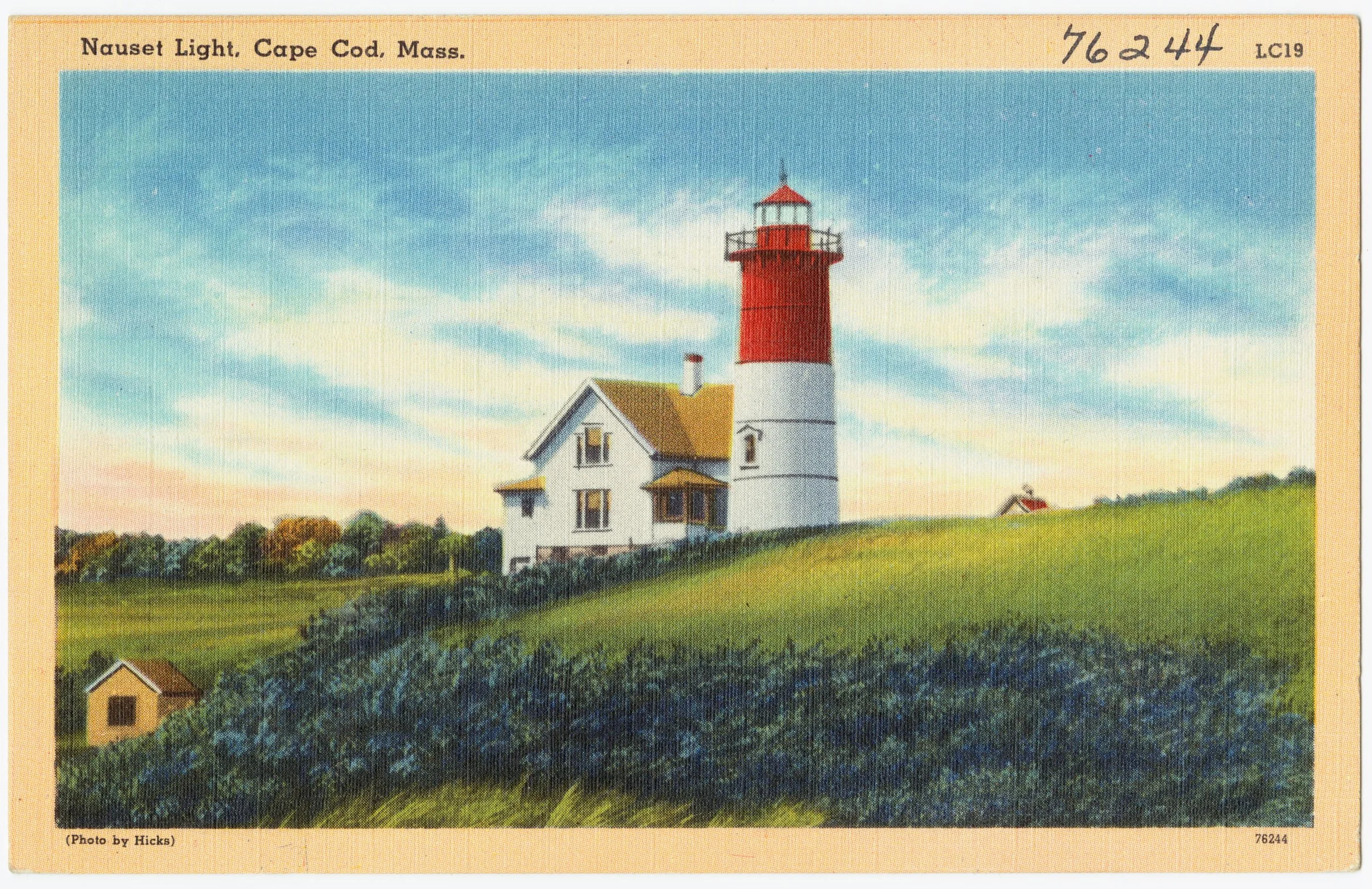
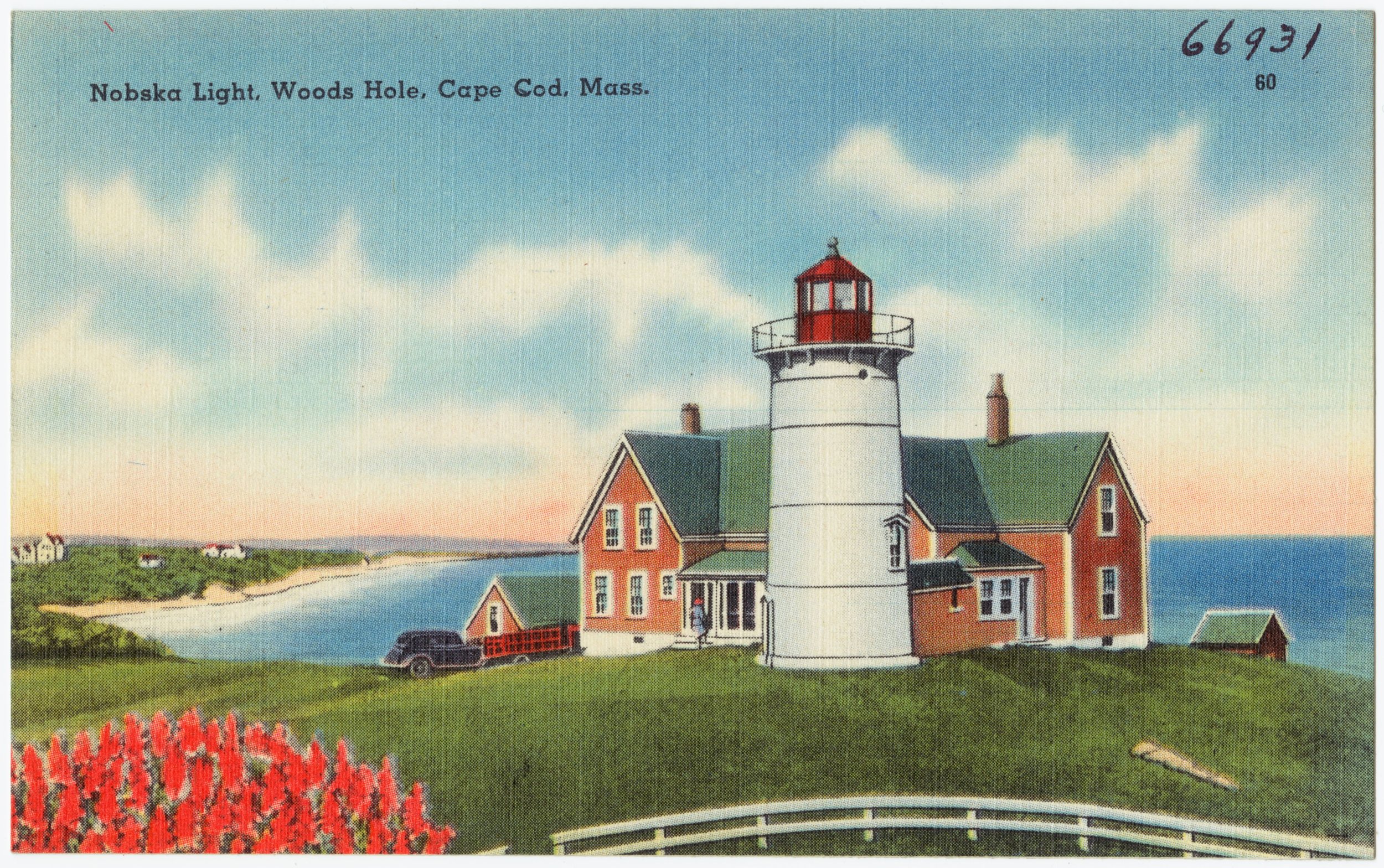
There are several ways to tell one lighthouse from another at night, including light pattern, light color, and number of lights. During the day, sailors unfamiliar with the coastline still needed to be able to identify their location. One way was to paint a lighthouse a different color than its neighbors. This distinctive coloring is called a Daymark.
Keepers had to paint their towers in specific colors, inside and out. Their exact exterior colors were decided for them by their government oversight at the time.
White is a common color for lighthouses to stand out against dark rocks or land. Colors like red, brown, black, or contrasting bands and patterns also help to distinguish a lighthouse from its surroundings.
Daymark
Build Materials
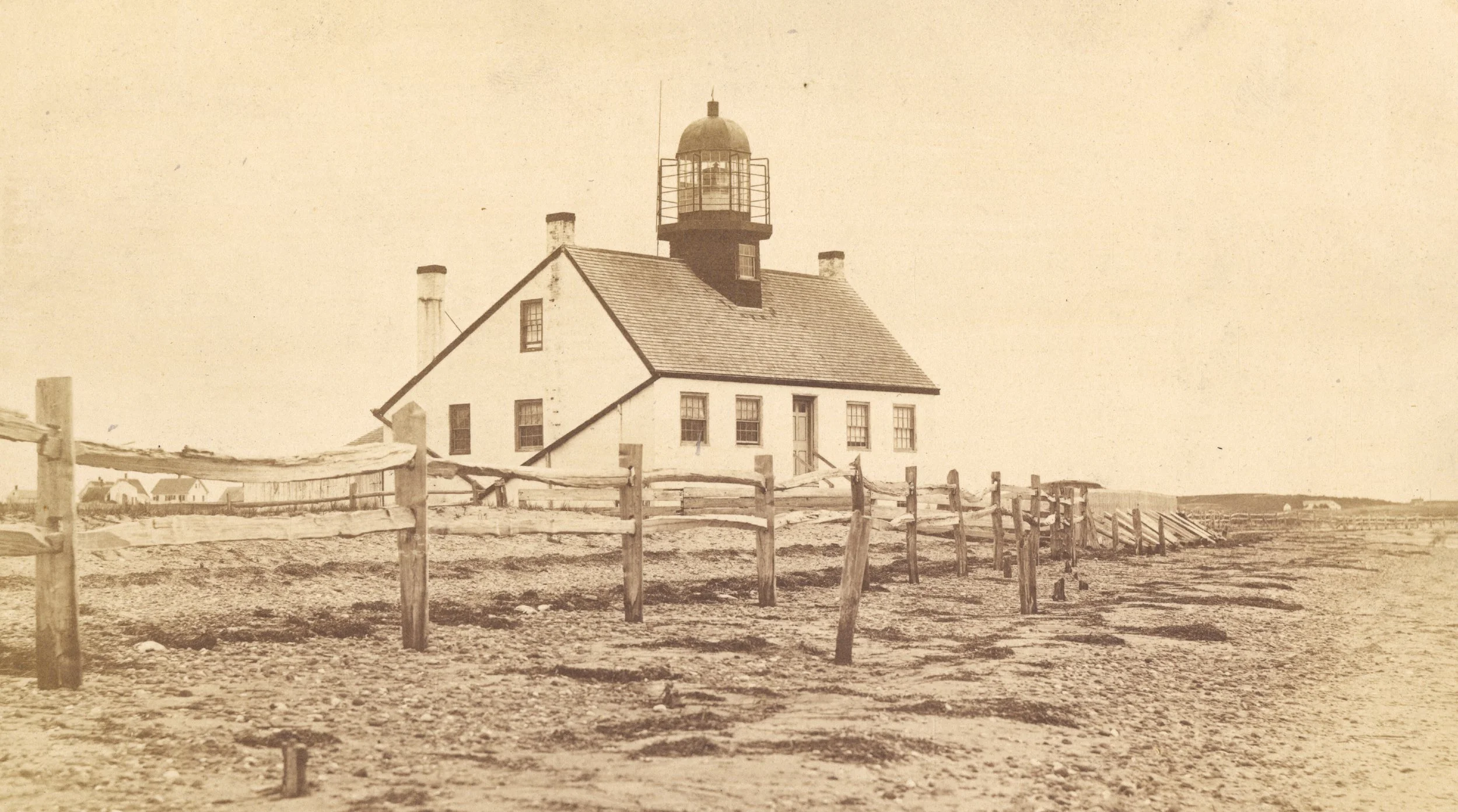
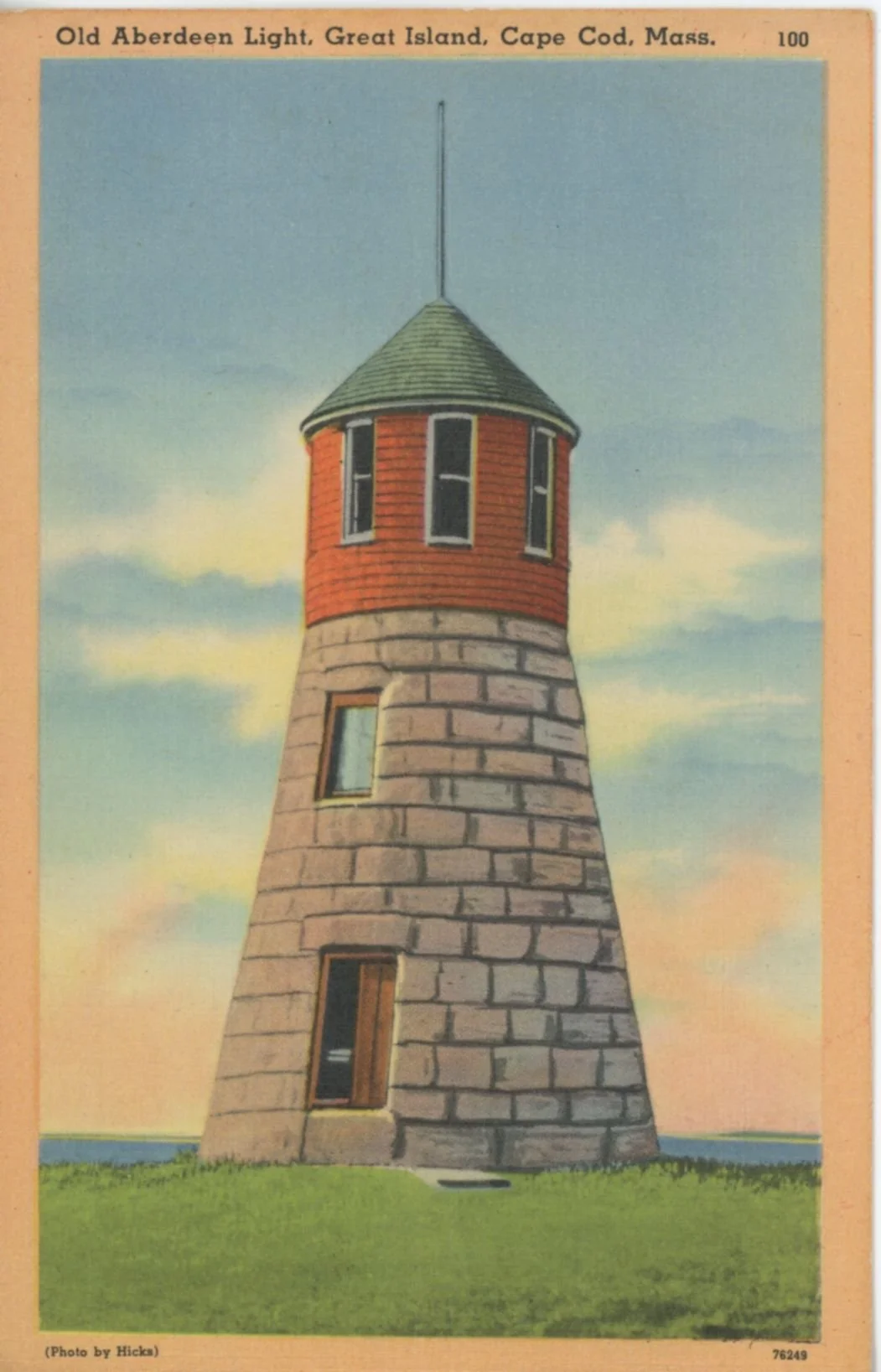
Lighthouses on the Cape and Islands have been made from various materials. Many began with lantern-towers right on top of the keeper’s houses. This made for easy access and upkeep but could weigh down the roof or leak, causing damage to the house. This style was so common on Cape Cod it’s called the ‘Cape Cod Style’ of lighthouses.
The most common materials were red brick, granite, cast iron, wood, and “rubble” stone. Some were planned as stone towers, but the contractors found there weren’t enough good small stones nearby.
Characteristic Light
Along with a lighthouse’s daymark paint scheme, its light pattern separates it from any other light nearby. More varieties of patterns and color options were possible once Fresnel lenses became the standard. Each light's individual pattern and colors are referred to as its Characteristic.
Beginning in the 1830s, the Lighthouse Establishment published the Light Lists. These volumes contained a list of the lighthouses and their characteristic patterns. In later years, they often included a daytime appearance of the tower and house, fog signal patterns, and other critical maritime information. Today they are still published by the US Coast Guard.
There is a system of codes used to describe the types of flashing lights, and the colors of those lights. For example:
Race Point Light has a characteristic of Fl W 10s. This means they have a flashing (Fl) white (W) light, each flash lasts ten seconds (10s).
Nauset Beach Light has a characteristic of AI WR 10s. This means they have a Alternating light (Al). It switches between white (W) light and red light (R). The total sequence lasts 10 seconds, but each flash only lasts 4.9 seconds.
For more on the Light List publication, or to check out the full list, visit
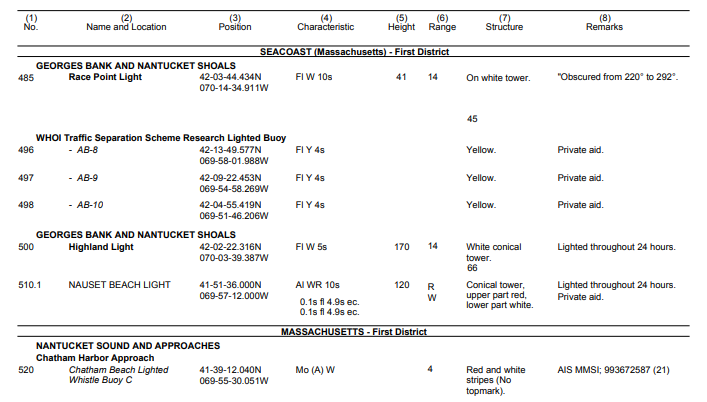
U.S. Department of Homeland Security, United States Coast Guard. LIGHT LIST vol. 1 ATLANTIC COAST. United States Coast Guard, 2024. 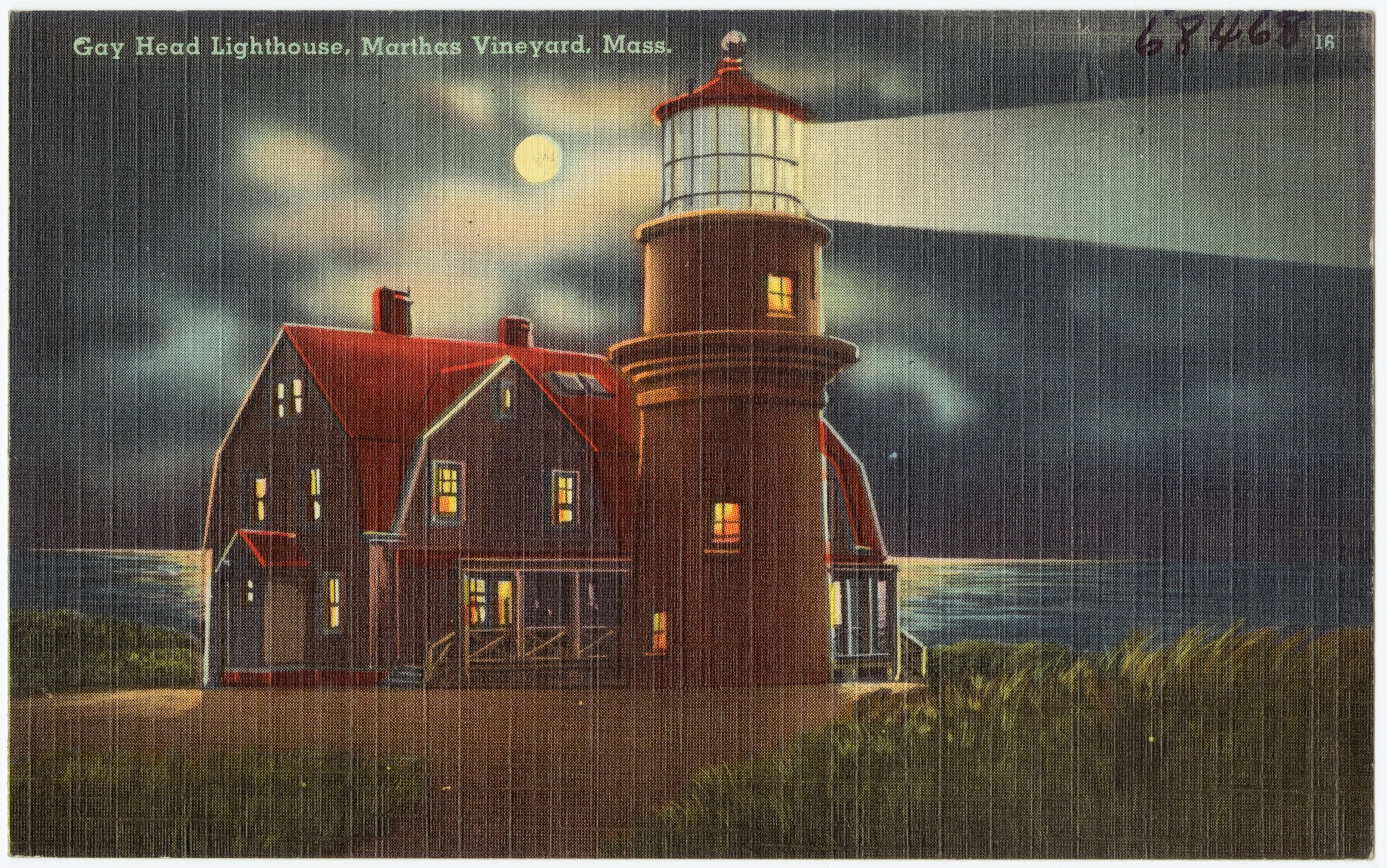
iNTO THE MIST AND FOG
Fog Signals and how light keepers had to keep them running
Light can only do so much to reach inside fog, and there are places on Cape Cod with over 130 days of fog a year. The fog horns of Cape Cod and beyond had to have distinctive patterns so they could be told apart when they were needed most.
In the early days, large bells, sometimes as heavy as 1,000 pounds, were rung by hand and later by clockwork machinery. This machinery had to be wound up by hand and only lasted a few hours before needing to be wound again.
For many years, guns and cannons served as primary fog signals. Later, they were used as backups to modern fog signal varieties. Beginning in the 1800s, steam or coal-powered engines ran mechanisms for all sorts of fog signals. Types of signals included sirens, whistles, and horns with reeds. These were sometimes difficult to hear over rough waves.
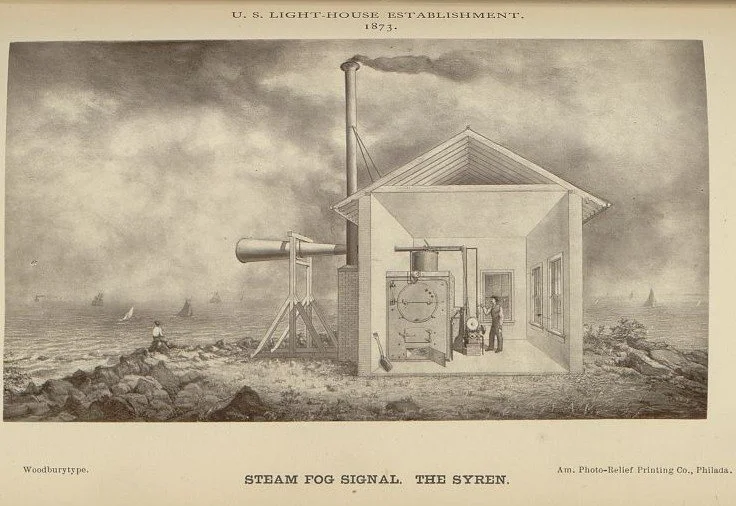
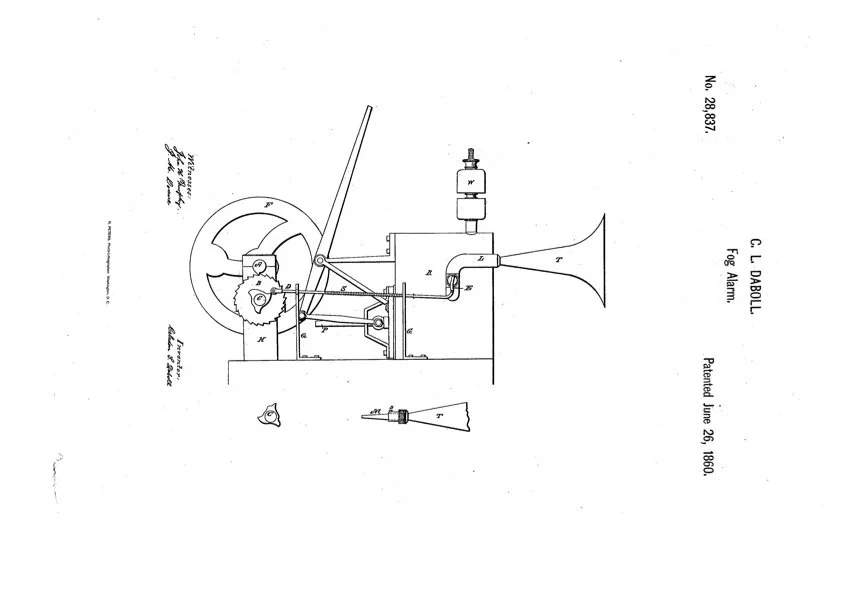
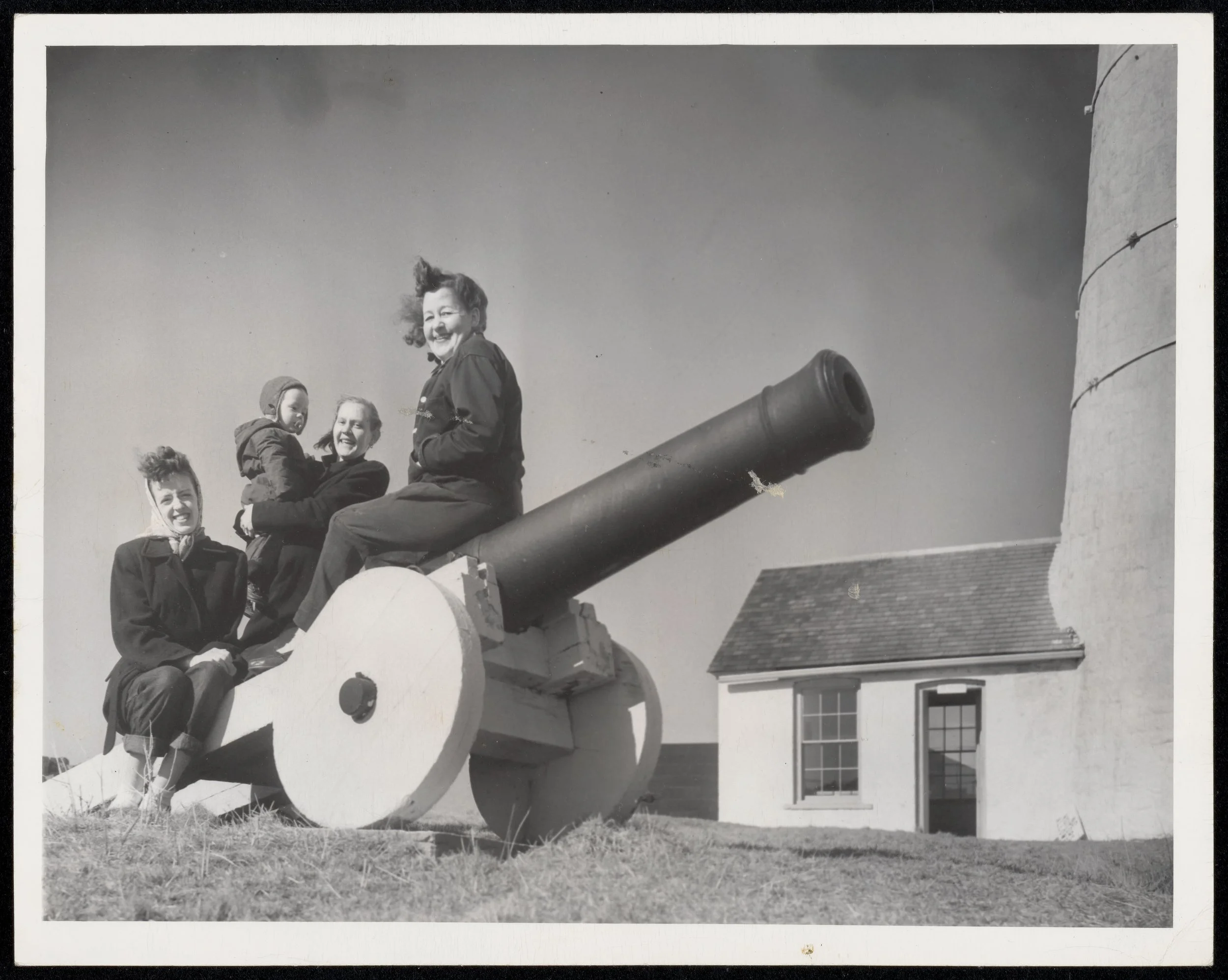
For many years, guns and cannons served as primary fog signals. Later, they were used as backups to modern fog signal varieties.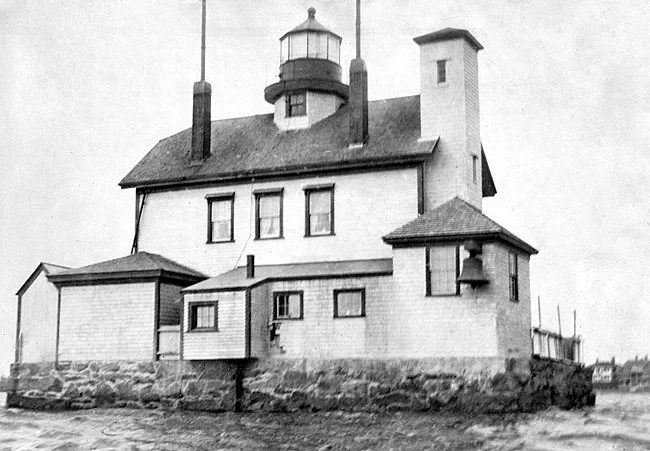
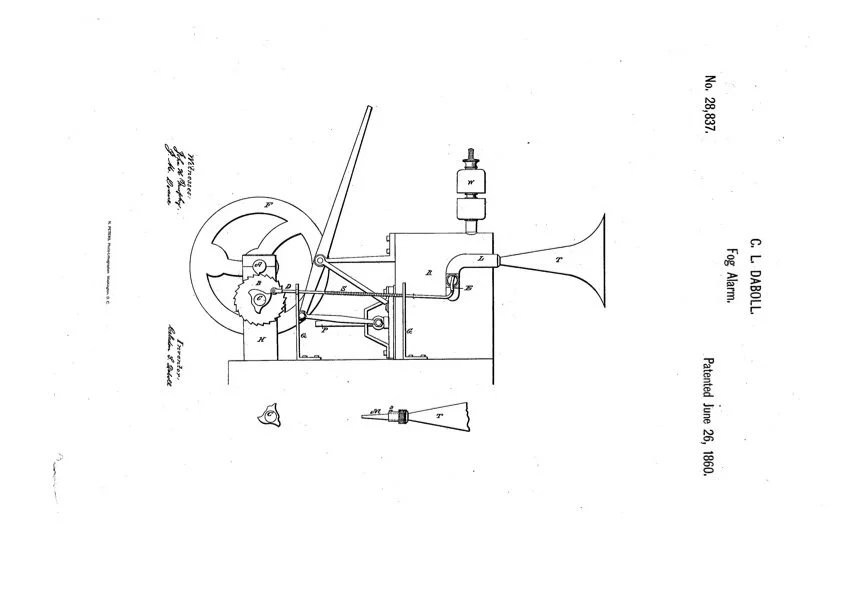
Diaphone horns were introduced in the United States in 1914. Reed or diaphragm horns, like the Daboll style, were powered by small engines with air pumps and boilers.
In 1929, an electrically operated air-oscillator fog signal was installed at Highland Light. This new system was powered by a direct-current generator driven by a four-cycle, kerosene-burning engine. Air forced through holes in a rotating cylinder or disks made a siren-like noise.
On Cape Cod, fog signals were electrified in the 1940s. All foghorns were automated beginning in the 1950s, and many were phased out of use by the 1960s. Today, any that remain on Cape Cod are electrically powered by diaphragm or compressed air horns, activated by radio signals.
lIVING AT THE LIGHT
So your not the keeper, what was life like?
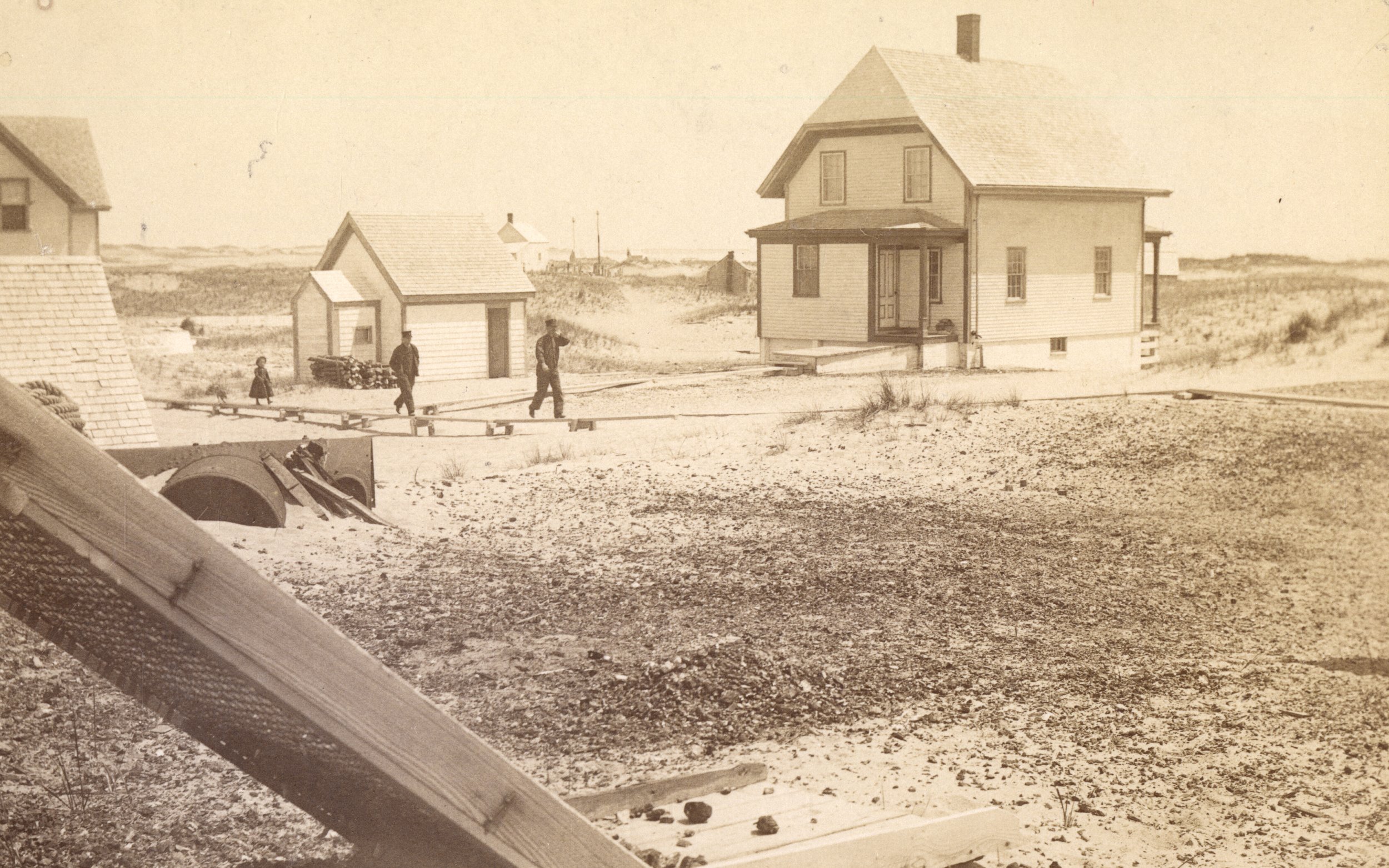
Lighthouses on the Cape and Islands were often built in very remote places. At nearly every lighthouse on the Cape and Islands, at one time or another, the families of the Keeper lived with him at the light. Their wives kept the house, assisted with the care of the light, as well as the cleaning, polishing, painting, mending, and small-scale farming. Their children traveled each day, or for months out of the year, to nearby towns to go to school. If they stayed year round, they had to find ways to stay entertained.
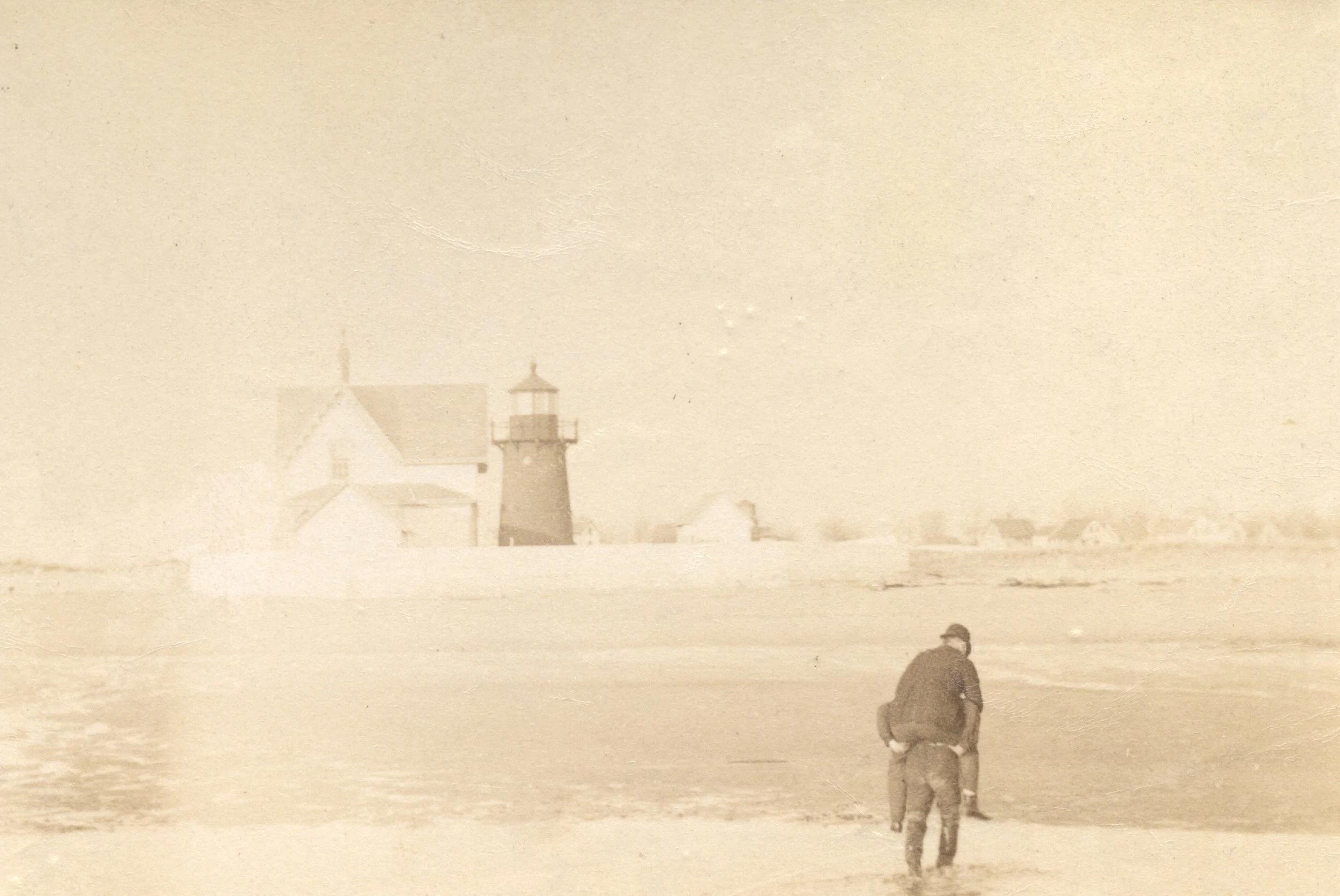
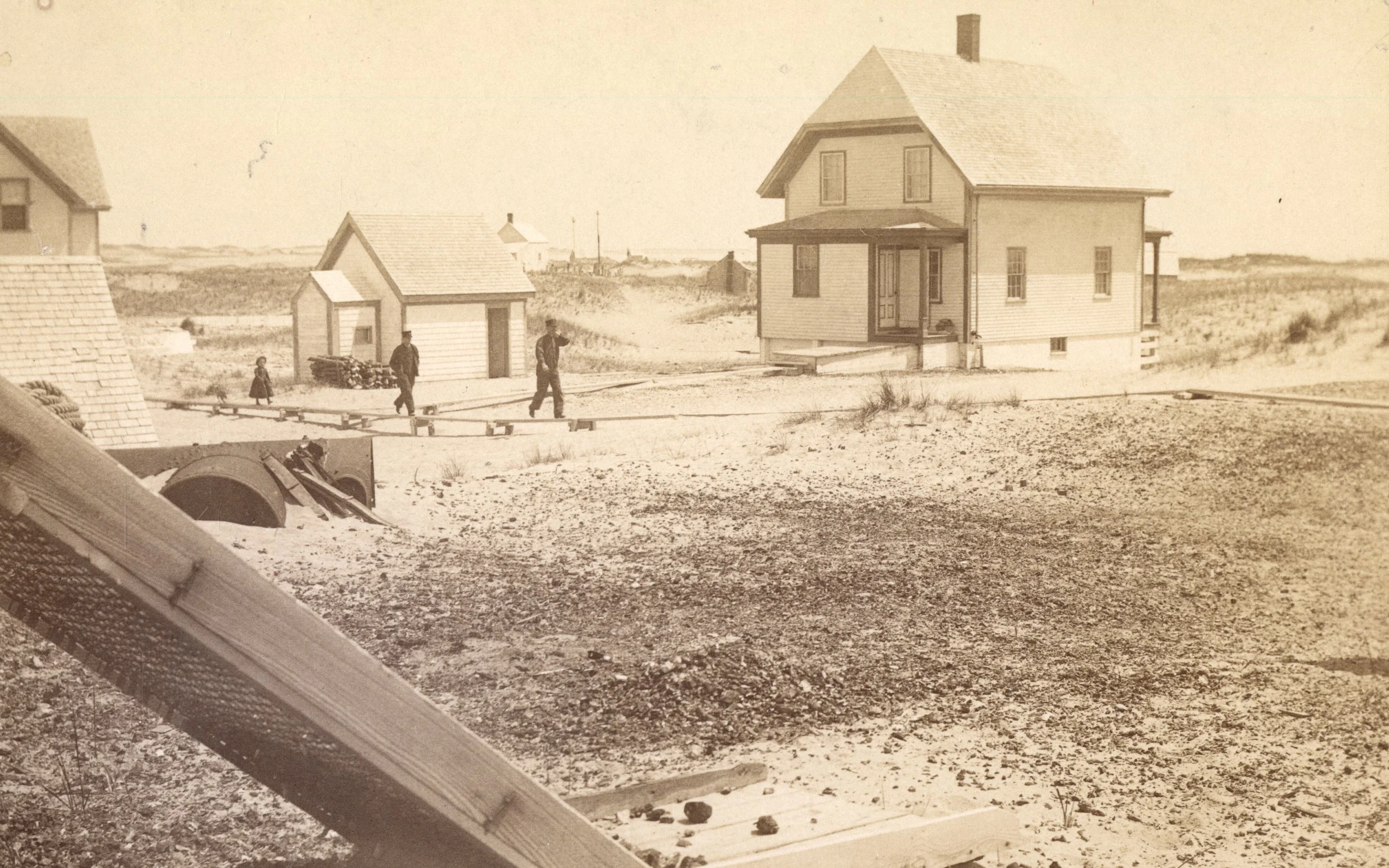
Because of their remote locations, Lighthouse families needed to be fairly self-sufficient. Common chores for the children included tending to animals like chickens, cows, and horses, helping their father clean and polish the light, and being the designated observer to track the ships that passed by the lighthouse. The children at Sandy Neck around the turn of the 20th century, liked to hitch carts or sleds to their Saint Bernard dog, swing from the flagpole rope, and walk on the beaches among the seals.
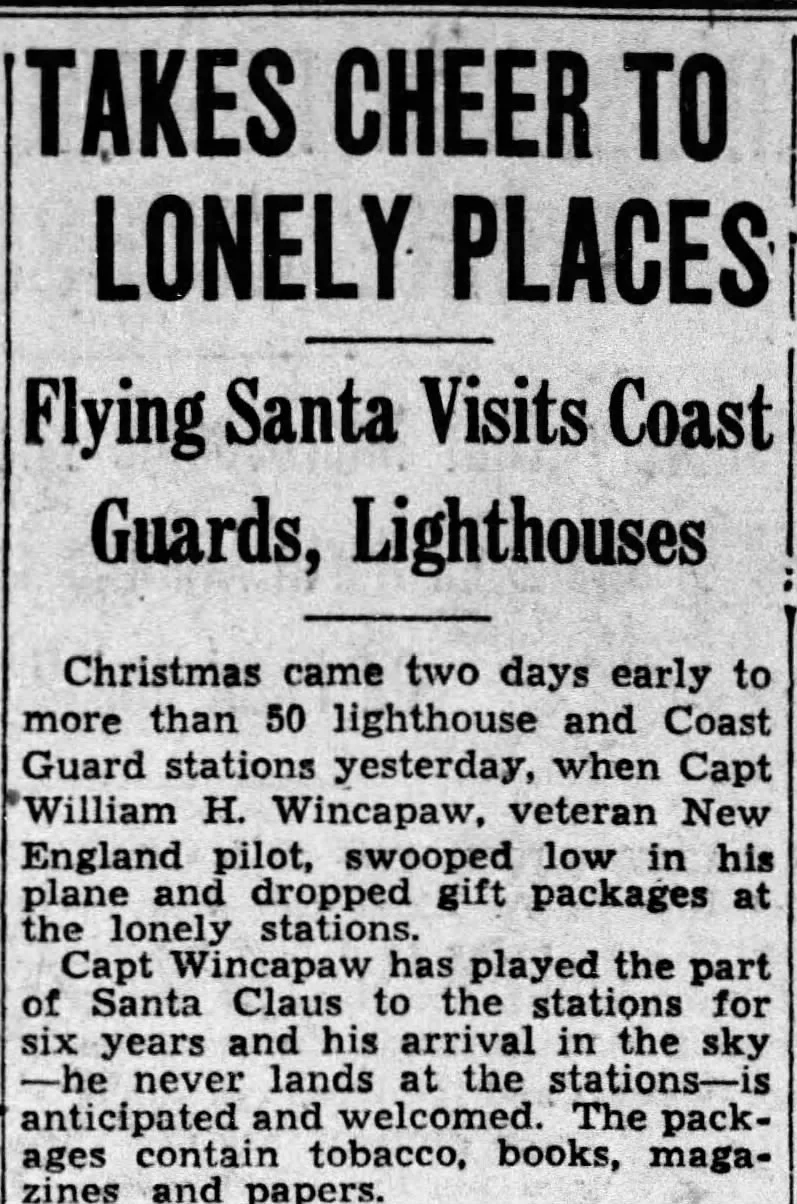
William H. Wincapaw, a pilot from Maine, used Lighthouse lights all down the coast to help identify his location from high up in the air.
He was so grateful to the lighthouse keepers and their families for their service in keeping up the Lights that in 1929, he gathered items in packages to airdrop them at Christmastime. Thus began the tradition of the “Flying Santa.”
He was joined by his son, and then later the well-known author Edward Rowe Snow.
Images on this page are from:
National Archives and Records Administration
Harper’s Young People
Image Collection of the Cape Cod Maritime Museum
Gay Head Light Chariot Wheel Images courtesy of the Martha’s Vineyard Museum
The Tichnor Brothers Collection, Boston Public Library Arts Dept.
The Boston Globe, archives access at Newspapers.com
Ballou’s Pictorial Drawing Room Companion
United States Coast Guard Navigation Center
For specific questions regarding the images on this page, reach out to archives@capecodmaritimemuseum.org